September Smash: A Web Designer’s Take on Autumn Color Fonts
I was staring at a blank hero section for a new boutique coaching website, trying to find the right visual hook. The brief called for warmth, approachability, and a touch of whimsy, but most standard serif or sans-serif options felt too corporate or too cold. That was when I decided to test-drive September Smash. As a designer who spends half my day tweaking CSS and the other half worrying about mobile readability, picking a typeface is rarely just about aesthetics—it’s about how that font behaves in a digital layout.
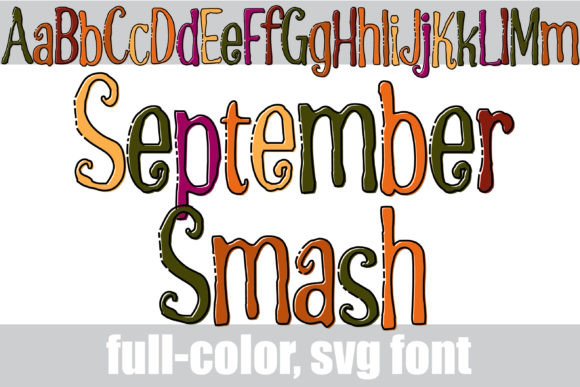
This full-color font features a fun sans serif with a whimsical outline autumn color palette. It immediately caught my eye not because it was loud, but because it offered a specific mood that aligned perfectly with the seasonal campaign we were building. If you are a web designer, UI creator, or entrepreneur looking to add personality to your online brand experience, here is a practical look at how September Smash fits into modern web design workflows.
The Visual Personality of September Smash
At first glance, September Smash feels like a breath of fresh air in a sea of monochromatic web typography. It is a display font that leans heavily into the creative font category, utilizing an autumn-inspired color scheme that evokes cozy sweaters, crisp leaves, and warm coffee. But unlike many decorative fonts that sacrifice legibility for style, this one maintains a clean sans serif structure underneath the color layers.
The "smash" aspect comes from its bold, outlined aesthetic. It has a playful energy that works beautifully for headlines, banners, and short phrases. However, as any experienced UI designer knows, playfulness needs to be balanced with clarity. When I dropped this font into a landing page header, it didn’t overwhelm the content; instead, it anchored the visual hierarchy. It signals to the user that this is a friendly, human-centric brand, which is crucial for building trust in service-based industries like coaching, consulting, or boutique retail.
Real-World Application: From Hero Section to Mobile View
Let’s talk about the actual implementation. I used September Smash primarily for the main headline on a product landing page for a fall-themed digital course. The goal was to make the title pop against a soft beige background without using heavy image overlays that might slow down load times.
- Hero Sections: The font shines here. Its size and color contrast draw the eye immediately. Because it is a color font, the visual interest is built-in, reducing the need for additional graphic elements.
- Call-to-Action Areas: While I wouldn’t use it for the button text itself due to readability concerns, using it for the small tagline above a CTA button adds a nice layer of branding.
- Banners and Promos: For limited-time offers or seasonal sales, this font communicates urgency and excitement without feeling aggressive.
One of the biggest challenges with colorful display fonts is ensuring they remain accessible. When I tested the font on a dark background, the outlines blended slightly too much with the deep navy backdrop. Switching to a lighter, cream-colored background made the autumn tones sing and ensured sufficient contrast ratios for screen readers and visually impaired users. This highlights why checking your color palette against your site’s overall theme is non-negotiable.
Readability and Responsive Design Considerations
In the world of responsive web design, every pixel counts. September Smash is best suited for larger text sizes—typically H1s and H2s. Trying to squeeze this font into body copy or small navigation menus would result in a cluttered, hard-to-read interface. The whimsical outlines can create visual noise at smaller point sizes, causing the letters to merge or become illegible on mobile devices.
For supporting typography, I paired September Smash with a simple, neutral sans serif font for paragraphs and UI elements. This creates a classic editorial design balance: the decorative font grabs attention, while the clean body text ensures comfort during reading. This combination helps maintain professional consistency across the site. If you are designing a portfolio homepage or a blog redesign, this pairing strategy allows your unique voice to stand out without sacrificing usability.
Another critical factor is the alt case feature. September Smash includes an alternate character set with additional colors that you can access through your system’s character map. This is a game-changer for designers who want to customize their brand identity. Instead of relying on a static color palette, you can tweak individual letters to match specific brand hex codes or highlight key words in a headline. For example, in a phrase like “Fall Into Learning,” you could emphasize “Fall” with a richer orange tone from the alt set, creating a subtle visual cue that guides the reader’s eye.
Font Pairing and Brand Identity
Choosing the right companion font is essential when working with a premium font like September Smash. Since it is already quite expressive, your secondary font should be understated. A geometric sans serif works well for a modern, tech-forward look, while a traditional serif font can lend a more sophisticated, editorial vibe.
Consider the context of your project. If you are building a digital brand kit for a lifestyle blogger, pairing September Smash with a handwritten font for quotes or pull-quotes can enhance the personal feel. However, if you are designing a SaaS founder’s website, you might want to use September Smash sparingly—perhaps only in the logo design or a single promotional banner—to keep the overall aesthetic clean and trustworthy.
It is also worth noting the versatility of color fonts in today’s web ecosystem. With better browser support for OpenType-SVG and COLR/CPAL formats, implementing these fonts is smoother than ever. However, always check file formats and webfont availability before committing. Ensure that the font supports the languages you need (multilingual support) and review commercial font licensing carefully, especially if you are using it for client projects or online stores.
When to Use (and When to Avoid) September Smash
September Smash is not a one-size-fits-all solution, and that is okay. Great web design is about making intentional choices. Here is a quick guide to help you decide where this typeface belongs in your layout:
- Use it for: Seasonal campaign headers, sale announcements, creative portfolio titles, podcast cover art, social media graphics, and branded web content where personality is key.
- Avoid it for: Long-form body text, legal disclaimers, dense data tables, or any scenario where scanning speed is critical. The whimsical nature of the font can distract from complex information.
Ultimately, September Smash adds a layer of warmth and creativity that can elevate a standard website into an engaging digital experience. By treating it as a display asset rather than a workhorse font, you can leverage its strengths while maintaining a polished, professional online presence. Whether you are refreshing a small business website or launching a new course sales page, giving this font a try in your next hero section might just be the visual spark your design needs.