Sew Rainbow: A Web Designer’s Take on Whimsical Color Typography
I was staring at a blank hero section for a boutique craft supply store, trying to balance playful energy with professional clarity. The client wanted "fun" but not "messy." They needed a typeface that felt handmade and warm without sacrificing the clean structure required for modern web design. That is when I pulled Sew Rainbow into my design file. It wasn’t just about picking a pretty font; it was about solving a specific visual hierarchy problem using a creative font that could carry brand personality on its own.
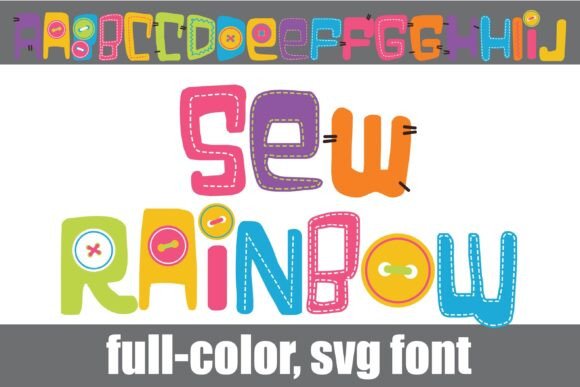
This full-color font features a whimsical, crafty aesthetic with stitches, buttons, and thread details baked directly into the letterforms. For a digital creator, this offers a unique opportunity to reduce reliance on heavy graphic assets while maintaining a distinct brand identity. Below is a practical look at how Sew Rainbow performs in real-world web layouts, from mobile responsiveness to color font compatibility.
First Impressions: Testing Display Fonts in Hero Sections
The first test for any decorative display font is the hero area. This is where you have the most screen real estate to make an impression. When I dropped Sew Rainbow into the main headline of a landing page, the immediate benefit was clear: it acted as both text and illustration. The rainbow color palette and stitch details created instant visual interest without needing a background image or complex CSS gradients.
However, working with premium fonts like this requires careful attention to scale. In web design, we often assume that if a font looks good at 72 pixels, it will work everywhere. With Sew Rainbow, the intricate details—like the little buttons replacing dots or the stitched edges of letters—can become muddy if scaled down too small. I found that keeping the hero title large ensured that the "crafty" mood translated clearly. Smaller sizes risked turning those charming details into visual noise, which hurts user engagement by making the content harder to scan quickly.
Readability and Scanning Behavior on Digital Screens
One of the biggest challenges in UI design is balancing personality with accessibility. While Sew Rainbow is undeniably eye-catching, it is not designed for long-form body copy. Using it for paragraphs would overwhelm the reader and break the flow of information. Instead, I used it strategically for headers, section titles, and short phrases.
When testing on mobile devices, the impact of a color font changes. On high-resolution retina displays, the colors remain vibrant and the shapes stay crisp. But on older screens or smaller viewports, the contrast between the different colored segments of a single letter can sometimes blend together. To maintain readability, I paired Sew Rainbow with a simple sans serif font for supporting text. This creates a strong visual hierarchy: the eye catches the whimsical header first, then moves smoothly to the clean, legible body copy below.
This approach respects the user’s scanning behavior. Visitors to a website rarely read every word; they skim. A well-placed Sew Rainbow heading acts as a visual anchor, guiding the eye to key messages like sale announcements, course titles, or product categories. It breaks up white space effectively and adds a layer of emotional connection that standard black-and-white typography often lacks.
Font Pairing for Modern Web Layouts
Choosing the right companion font is critical when using a creative font like Sew Rainbow. Because the typeface itself is busy and colorful, it needs a neutral partner to ground the design. I experimented with several options before settling on a geometric sans serif for the body text.
The contrast between the organic, hand-stitched feel of Sew Rainbow and the clean lines of a modern sans serif creates a balanced editorial design. This pairing works exceptionally well for:
- Online Shop Banners: Where product names need to pop but descriptions need to be readable.
- Course Sales Pages: Where module titles can be playful while learning objectives remain clear.
- Portfolio Homepages: Where project titles reflect creativity while case study details remain professional.
Avoid pairing it with other script fonts or highly decorative typefaces. Doing so competes for attention and creates a cluttered interface. Similarly, while a serif font might seem like a natural fit for a "crafty" theme, it can sometimes clash with the digital precision of a web layout unless carefully weighted. A simple sans serif keeps the focus on the Sew Rainbow headlines while ensuring the site feels polished and trustworthy.
Technical Considerations for Color Fonts
Using Color Fonts introduces specific technical requirements that web designers must address. Not all browsers support these advanced font formats equally. Before integrating Sew Rainbow into a production site, it is essential to check the included styles and file formats provided by the designer. Typically, this involves providing fallbacks for users on browsers that do not render multi-colored glyphs correctly.
I always recommend checking the alt case options available in the font family. Sew Rainbow includes additional colors for each letter, accessed through specific OpenType features. This allows for dynamic customization within your CSS, enabling you to change the color scheme of a button or a badge without creating new graphic files. This flexibility is a huge advantage for digital product creators who need to adapt their branding for different campaigns or seasons.
Another crucial step is verifying commercial font licensing. If you are using this font for a client project, an online store, or a SaaS platform, you need to ensure your license covers web embedding and digital distribution. Many premium fonts require separate licenses for desktop use versus web use. Failing to secure the proper commercial font rights can lead to legal issues and unexpected costs later on.
Strategic Use in Call-to-Action Areas
One of the most effective uses of Sew Rainbow in a UI context is in call-to-action (CTA) areas. Buttons and links are the primary drivers of conversion on any website. By applying the font to short phrases like "Shop Now," "Join the Workshop," or "Get the Guide," you inject personality directly into the user’s decision-making path.
However, caution is needed here. If the CTA text is too small, the color variations may disappear, leaving only the outline of the letters. I found that increasing the padding and font size around these buttons helped the text breathe, allowing the stitch and button details to be appreciated. This subtle enhancement can improve perceived professionalism and consistency, making the brand feel more cohesive and intentional.
Building Trust Through Consistent Brand Identity
In the crowded space of online businesses, trust is built through consistency. A messy or inconsistent typographic system can make a brand look amateurish. Sew Rainbow helps establish a strong brand identity because its whimsical nature is consistent across all touchpoints. Whether it appears on a blog header, a social media graphic, or a digital ad, the font carries the same mood and style.
For bloggers and marketers, this consistency reduces cognitive load for the visitor. When users recognize the distinctive letterforms, they subconsciously associate them with the quality and tone of the content. This is particularly valuable for creative entrepreneurs, coaches, and makers who rely on a personal connection with their audience. The font does the heavy lifting of communicating warmth and approachability, allowing the content itself to shine.
Final Implementation Tips
To get the most out of Sew Rainbow in your web projects, keep these practical tips in mind:
- Limit Usage: Reserve the font for headlines, logos, and short accents. Use it sparingly to maintain impact.
- Check Contrast: Ensure the colors of the font stand out against your background. Light backgrounds usually work best to preserve the vibrancy of the rainbow palette.
- Test Responsiveness: Always preview your layout on multiple devices. Adjust font sizes to ensure details remain visible on mobile screens.
- Provide Fallbacks: Define a robust font stack with a standard sans serif as the fallback for browsers that do not support color fonts.
Sew Rainbow is more than just a pretty typeface; it is a strategic design asset. When used with intention, it enhances visual hierarchy, supports brand storytelling, and creates a memorable digital experience. For web designers looking to add a touch of craft and color to their layouts without compromising usability, this font offers a sophisticated solution that bridges the gap between traditional aesthetics and modern web standards.