Loli Pastel: A Designer’s Take on Playful Color Fonts for Web
I was staring at a blank hero section, trying to decide whether the new boutique landing page needed something bold or something soft. The brand identity leaned heavily into pastels, but I didn’t want it to feel flat. That’s when I pulled up Loli Pastel. It wasn’t just another decorative typeface; it felt like a complete design asset waiting to happen.
As a web designer, I’m always looking for ways to add personality without sacrificing load times or readability. Most color fonts are tricky to implement because they rely on specific rendering engines. But Loli Pastel, with its chunky sans serif structure and stitched details, offered a unique solution for creating a polished online brand experience that feels both handmade and modern.
The Visual Appeal of Stitched Sans Serifs
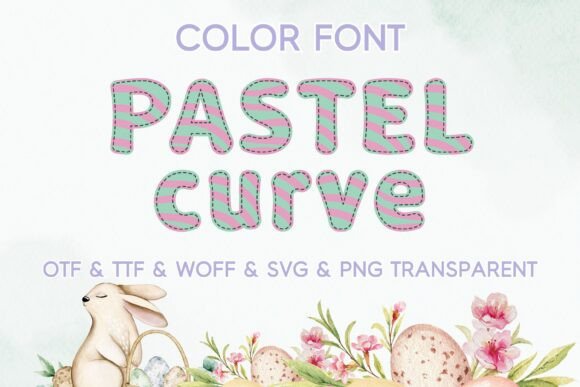
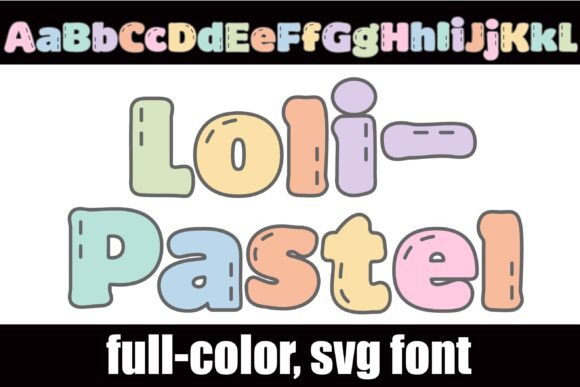
Loli Pastel is a full-color font that immediately grabs attention. The base shape is a chunky sans serif, which gives it a sturdy, friendly foundation. What sets it apart, however, is the inclusion of stitches throughout the letterforms. This detail adds texture and depth, mimicking the look of embroidery or patchwork. It brings a tactile quality to digital screens, which is rare in web typography.
The pastel color palette is carefully curated. Each letter comes with an alt case of additional colors, accessible through your system or Silhouette software. This isn’t just about aesthetics; it’s about versatility. For a web project, this means you can swap out accent colors to match seasonal campaigns or specific product lines without needing to redesign your graphics from scratch. The mood is light, approachable, and creative—perfect for brands that want to feel trustworthy yet fun.
Testing Readability in Real Layouts
I dropped Loli Pastel into a hero banner over a soft gradient background to see how it held up. My first concern was legibility. Chunky fonts can sometimes become muddy if they are too dense, especially on smaller screens. However, the spacing in Loli Pastel is generous enough to maintain clarity. The stitches add visual interest without cluttering the character shapes.
For mobile layouts, I tested the font at various sizes. As a display font, it shines brightest in large headers and hero sections. When scaled down for body copy, it loses some of its charm and becomes harder to read. This is a common trait among creative fonts, but it’s important to acknowledge early in the design process. I used Loli Pastel for the main headline and paired it with a clean, simple sans serif font for the supporting text. This contrast created a clear visual hierarchy, guiding the user’s eye naturally from the catchy title to the actionable information below.
Strategic Placement for Maximum Impact
- Hero Sections: The font’s bold presence makes it ideal for grabbing attention immediately. Use it for short, punchy headlines that set the tone for the page.
- Call-to-Action Areas: While not recommended for long buttons, using Loli Pastel for short phrases like “Shop Now” or “Join Us” can add a playful nudge that encourages clicks.
- Blog Graphics: For social media teasers or blog post headers, the pastel colors and stitch details create eye-catching thumbnails that stand out in crowded feeds.
- Digital Ads: In paid campaigns, the unique texture helps break through visual noise. The color variations allow for A/B testing different moods quickly.
Font Pairing and Digital Hierarchy
One of the biggest challenges in web design is balancing personality with professionalism. Loli Pastel leans heavily into the creative side, so it needs a partner that can ground the design. I found that pairing it with a neutral sans serif font worked best for body text and navigation menus. This combination ensures that while the headlines are fun and engaging, the actual content remains easy to scan.
For editorial designs or more sophisticated brand identities, you might consider pairing Loli Pastel with a classic serif font. The contrast between the modern, chunky display font and the traditional elegance of a serif can create a compelling narrative. This approach works well for lifestyle blogs, portfolio sites, or high-end e-commerce stores that want to blend creativity with authority.
When designing for responsiveness, keep in mind that color fonts may not render identically across all browsers and devices. Always test your layout on multiple platforms. If a browser doesn’t support color fonts, ensure you have a fallback plan, such as a monochrome version of the font or a static image for critical elements. This proactive approach maintains consistency and prevents broken layouts.
Building Trust Through Consistent Branding
In digital product creation, consistency is key to building trust. Using a versatile font like Loli Pastel allows you to maintain a cohesive look across different touchpoints. Whether you are designing a course sales page, a coaching website, or a small business website, the ability to switch between pastel shades helps unify your brand message.
For example, on a landing page for a creative workshop, I used different alt cases of Loli Pastel for each module header. This subtle variation kept the design dynamic without feeling chaotic. Users subconsciously associate this level of thoughtful detail with a higher quality service. It signals that care has been taken in every aspect of the user experience, from the code to the typography.
Practical Tips for Implementation
- Check File Formats: Ensure you have the correct webfont files (WOFF2 is standard) to guarantee compatibility across modern browsers.
- Review Licensing: Before using Loli Pastel on client projects or commercial products, verify the commercial font licensing terms. Some color fonts have restrictions on how many pages or users are covered.
- Optimize Load Times: Color fonts can be larger than standard fonts. Use lazy loading techniques or serve them only where necessary to keep your site fast.
- Multilingual Support: Check if the font includes the necessary character sets for your target audience. Not all creative fonts support extended Latin characters or other languages.
Final Design Considerations
Loli Pastel is more than just a pretty typeface; it’s a tool for enhancing user engagement. By integrating it strategically into your web design workflow, you can create interfaces that feel warm, inviting, and distinctly branded. It works beautifully for boutique online stores, portfolio homepages, and campaign landing pages where visual appeal drives interaction.
The key is balance. Let Loli Pastel do the heavy lifting in the areas where you want to evoke emotion and excitement. Then, step back and let cleaner, more functional typography handle the communication. This hybrid approach leverages the strengths of both decorative and utilitarian design, resulting in a website that is not only beautiful but also effective.
Whether you are a seasoned UI designer or a creative entrepreneur building your first site, experimenting with color fonts like Loli Pastel can elevate your digital presence. It adds a layer of sophistication and playfulness that standard fonts often lack. So, go ahead and try it out in your next project. You might find that the perfect font for your brand is one that literally stitches everything together.