Jolly Green Color: A Designer’s Honest Review
In the world of typography, color fonts are often treated as novelty items. They promise vibrancy and instant personality, but they frequently fail when it comes to practical application in professional workflows. Jolly Green Color is one of those rare exceptions that actually earns its place in a designer’s toolkit. After testing this typeface across various project types—from client branding packages to personal digital products—I have formed a clear opinion on its utility, aesthetic value, and commercial viability.
This is not just another decorative display font. It is a creative font with specific strengths and limitations that every brand owner, marketer, and content creator needs to understand before integrating it into their design assets.
The First Impression: Mood and Visual Personality
When you first load Jolly Green Color into your design software, the immediate takeaway is its playful yet polished energy. The name suggests a vibrant, organic feel, and the execution delivers exactly that. The letters do not feel rigid or corporate; instead, they carry a sense of movement and approachability. This makes it an excellent choice for projects that need to communicate friendliness, creativity, and modernity simultaneously.
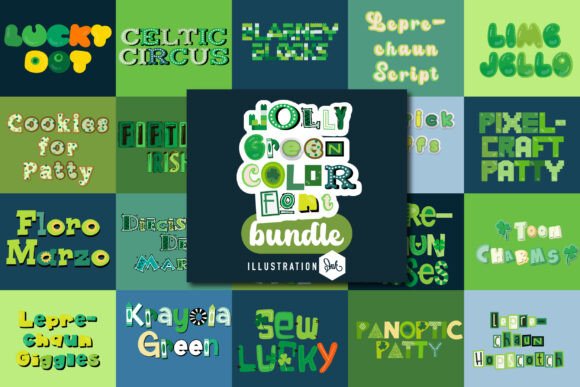
The visual personality of this typeface leans heavily into the "fun" spectrum without sacrificing legibility. It feels at home in editorial design where headlines need to pop, but it also holds up well in social media graphics where attention spans are short. Unlike many color fonts that rely on gimmicky elements, Jolly Green Color maintains a cohesive structure. The green tones are rich and saturated, suggesting freshness and growth, which aligns perfectly with wellness brands, eco-friendly products, and lifestyle blogs.
However, it is crucial to recognize that this is a display font. Its primary job is to capture attention, not to convey dense information. As a professional designer, I view it as a powerful accent rather than a workhorse typeface. It sets the mood instantly, creating a visual hook that draws the viewer in.
Real-World Performance in Professional Projects
The true test of any typeface is how it behaves under real-world constraints. I have evaluated Jolly Green Color in several common scenarios used by small business owners, digital sellers, and marketing teams.
Branding and Logo Design
For logo design, this font offers a distinct advantage. If your brand identity revolves around playfulness, nature, or community, Jolly Green Color can serve as a strong foundation for a wordmark. It works particularly well for boutique shops, craft businesses, and creative agencies. However, because it is a color font, scalability becomes a factor. While it looks stunning on large signage or premium packaging, it may lose detail when scaled down to favicon size. For these reasons, it is best used as part of a broader brand system rather than the sole identifier.
Packaging and Product Labels
In packaging design, visual appeal is paramount. Jolly Green Color excels here. On product labels, especially for food, beverages, or handmade goods, the vibrant colors enhance shelf presence. It communicates quality and care, which builds audience trust. When paired with clean, minimalist backgrounds, the font stands out without overwhelming the product information. It is an ideal choice for printable design projects, such as stickers and tags, where the goal is to create a memorable unboxing experience.
Digital Marketing and Social Media
For social media graphics and digital ads, speed and impact are key. This font allows designers to create engaging visuals quickly. In Canva templates or other drag-and-drop platforms, using Jolly Green Color reduces the need for additional graphic elements, keeping the design clean and focused. It performs exceptionally well in blog graphics and website headers, where it can break up text-heavy layouts and add a touch of modern typography.
Merchandise and Printables
Digital sellers and crafters will find significant value in this typeface. Whether you are creating designs for Cricut projects, t-shirts, or mugs, the color variations allow for endless customization. It bridges the gap between professional design assets and DIY aesthetics, making it accessible for non-designers while still satisfying the standards of experienced creatives.
Strategic Applications and Pairing
To get the most out of Jolly Green Color, you must understand where to use it carefully. It is not a one-size-fits-all solution. Here is how I recommend approaching its application:
- Large Headlines: Use it for main titles where space allows. The intricate details of the color font need room to breathe.
- Short Phrases: It shines in slogans, quotes, and decorative accents. Avoid long paragraphs, as the color variations can become visually exhausting to read.
- Brand Marks: It can anchor a brand mark if the logo is simple. Ensure the background contrasts sufficiently with the green tones.
- Supporting Text: Never use this font for body copy. Always pair it with a neutral typeface for readability.
Font pairing is essential when working with a bold display font like Jolly Green Color. To maintain hierarchy and professionalism, I recommend combining it with a simple sans serif font for secondary information. The contrast between the playful, colorful headline and the clean, functional sans serif creates a balanced composition. Alternatively, pairing it with a classic serif font can add a layer of sophistication, grounding the whimsy of the green tones with traditional elegance. Handwritten font styles might compete too much with the existing personality of Jolly Green Color, so caution is advised there.
Technical Considerations for Designers
Before committing to Jolly Green Color for a client or commercial project, there are technical steps every designer should take. These practices ensure that the final output meets high standards of quality and consistency.
- Test in Black and White: Convert the font to grayscale to check its structural integrity. Does the shape hold up without the color? If the design relies solely on color for recognition, it may lack versatility.
- Check Small-Size Readability: Zoom out and view the text at thumbnail size. Do the color segments blur together? This is critical for mobile viewing and social media thumbnails.
- Review Spacing: Adjust kerning and tracking as needed. Display fonts often require manual tweaking to look optimal in different contexts.
- Compare Uppercase and Lowercase: Evaluate both cases to see which fits your brand voice better. Sometimes, all-caps usage emphasizes the geometric aspects, while lowercase highlights the fluidity.
- Confirm Commercial Licensing: Always verify the license terms. Even though it is a premium font, usage rights vary. Ensure you have permission for web design, print runs, and merchandise sales.
Final Verdict
Jolly Green Color is a versatile and impactful addition to any modern typography library. It successfully balances fun and function, making it suitable for a wide range of industries. From editorial design to digital products, it adds a layer of visual interest that engages users and reinforces brand identity.
While it requires thoughtful application and careful pairing with serif, sans serif, or script fonts, the results are well worth the effort. For designers looking to inject energy and personality into their work, this color font delivers. It is not just a pretty face; it is a strategic tool that, when used correctly, enhances communication and drives engagement. If you are building a brand that values creativity and warmth, Jolly Green Color is a worthy investment.