Pumpkin Regular: A Designer’s Honest Review of This Festive Color Typeface
I was staring at a blank Figma file, trying to nail the visual identity for a local artisanal bakery that wanted to launch a limited-edition Halloween pastry line. The brief was specific: they wanted warmth, playfulness, and an instant "fall" vibe without looking cheap or overly spooky. I had a few decorative fonts in my library, but most felt too rigid or required too much manual tweaking to look right. That’s when I pulled up Pumpkin Regular, a unique OTF color typeface designed with vibrant pumpkin textures.
As a brand designer who spends half my life fighting with kerning pairs and the other half worrying about client approval on color palettes, I don’t usually get excited by novelty fonts. But testing Pumpkin Regular on a logo draft revealed something interesting. It isn’t just a standard black-and-white glyph; it’s a color font that brings immediate texture and mood to the page. Here is how it performed when I moved it from a quick sketch to a full brand board, packaging mockup, and social media layout.
The Visual Personality of Pumpkin Regular
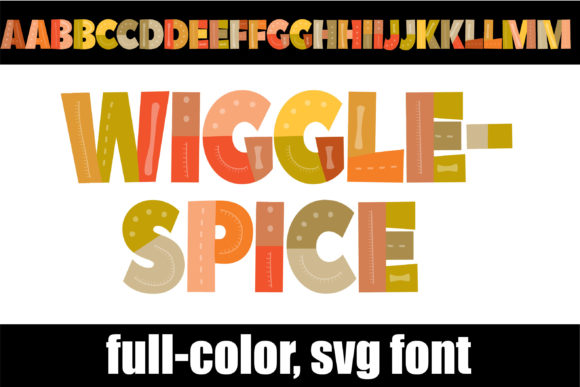
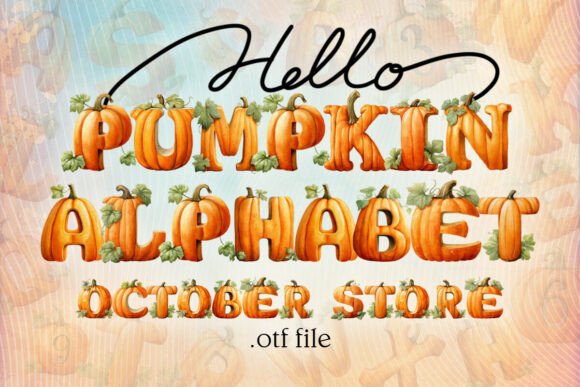
First, let’s talk about what this typeface actually looks like. Unlike traditional monochrome fonts where you rely on weight and spacing to create impact, Pumpkin Regular uses embedded color and texture. The glyphs are shaped like pumpkins, complete with stems and subtle surface details that mimic the natural ridges of the gourd. It feels organic, tactile, and undeniably festive.
The personality is playful but not childish. In my initial tests, I found that while it screams "Halloween," it doesn’t lean into horror tropes. There are no jagged edges or blood-red accents unless you add them yourself. Instead, it offers a cozy, harvest-time aesthetic. This makes it surprisingly versatile for brands that want to tap into seasonal trends without committing to a scary theme. When I placed it next to a clean sans serif font on a brand board, the contrast was striking. The pumpkin shape provided enough visual weight to stand alone as a headline, yet it lacked the structural neutrality needed for body text. This immediately told me where its strengths lay.
Real-World Application: From Logo to Packaging
To truly judge a font, you have to stress-test it. I took Pumpkin Regular through a realistic branding workflow for a hypothetical handmade candle shop launching a "Spiced Autumn" collection.
Logo Design: Using Pumpkin Regular as the primary logotype worked well for short names. For a name like "Glow & Glow," the repetition of the pumpkin shape created a rhythmic, memorable wordmark. However, for longer business names, the visual noise became overwhelming. The individual glyphs competed for attention rather than working together as a cohesive unit. As a display font, it excels; as a logo font for complex marks, it requires careful layout management.
Packaging Design: This is where the font truly shined. On a product label for a jar of candle wax, the textured orange tones popped against matte kraft paper. Because it is a color font, the design process was streamlined. I didn’t need to manually apply gradients or drop shadows to simulate depth; the texture was built into the OTF file. This saved time during the prototyping phase. The font added a layer of premium feel to what could have been a generic label, elevating the perceived value of the product.
Social Media Graphics: For Instagram posts promoting the launch, Pumpkin Regular was ideal for short phrases. Headlines like "New Drop" or "Limited Edition" looked instantly engaging. The eye is drawn to the color and shape, stopping the scroll. However, I noticed that readability dropped slightly when the background image was busy. The font works best on solid colors or blurred backgrounds where the glyphs can breathe.
Readability and Limitations
No typeface is perfect, and Pumpkin Regular has clear boundaries. It is strictly a decorative font. Trying to use it for long-form editorial design or website body copy would be a mistake. The intricate shapes of the letters reduce legibility at small sizes. If you shrink it down to 12pt for terms and conditions or menu descriptions, it becomes a puzzle rather than text.
Furthermore, because it relies on color and texture, it may not translate well to all print finishes. If your printer does not support high-fidelity color printing, the nuance of the pumpkin texture might get lost, turning the letters into flat, muddy shapes. Always check with your print provider before finalizing designs that rely heavily on the color aspects of a commercial font.
It is also worth noting that the font lacks the versatility for formal corporate environments. If you are designing a brand identity for a law firm or a medical clinic, this typeface will undermine the seriousness of the message. It belongs firmly in the realms of lifestyle, food, beverage, craft, and entertainment industries.
Font Pairing and Technical Considerations
One of the biggest challenges with using a dominant display font like Pumpkin Regular is balancing it with supporting typography. You need a typeface that provides structure without competing for attention. In my project, I paired it with a clean, geometric sans serif font for subheadings and body text. The neutral lines of the sans serif anchored the whimsical nature of the pumpkin glyphs, creating a harmonious hierarchy.
Avoid pairing it with another highly decorative font, such as a script font or a heavy handwritten font. The result would be chaotic and visually exhausting. Similarly, while a classic serif font could work for a more traditional look, it often clashes with the modern, playful cut of the pumpkin shapes. Stick to modern, minimal systems to let the creative font do the talking.
From a technical standpoint, ensure you are installing the correct OTF file. Since this is a color font, compatibility depends on the software version you are using. Most modern design tools handle these files seamlessly, but older versions of Adobe Illustrator or Photoshop might render the glyphs as simple outlines if the color profile isn’t supported. Always test your design in the actual environment where it will be displayed—whether that’s web, print, or social media—to ensure the colors remain consistent.
Final Verdict for Creators
Pumpkin Regular is a specialized tool in the designer’s arsenal. It is not a workhorse font for daily communication, but it is an exceptional asset for seasonal campaigns, event branding, and product packaging where atmosphere matters. Its ability to convey a specific mood instantly makes it valuable for marketers and creators looking to boost engagement through visual storytelling.
If you are planning a Halloween-themed project, a fall harvest festival, or any autumn-inspired brand refresh, this typeface delivers immediate impact. Just remember to use it sparingly. Let it shine as an accent or headline, pair it with clean supporting typography, and always verify commercial licensing before deploying it in client work. Used correctly, it transforms ordinary layouts into memorable experiences.