Wigglespice Typeface Review: Pumpkin-Powered Color Fonts for Bold Branding
I was staring at a blank Figma file, trying to break the creative block on a local bakery’s rebrand. The brief asked for something warm, autumnal, and distinctly handcrafted, but every standard serif felt too traditional and every handwritten script felt too fragile. That was when I pulled Wigglespice into my assets folder. It wasn’t just another display font; it was a full-color SVG typeface that immediately changed the energy of the mockup.
If you are a brand designer or creative looking for a typeface that brings instant personality without requiring complex graphic manipulation, Wigglespice is worth a closer look. This review breaks down how this pumpkin-inspired color font performs in real-world branding projects, from logo concepts to packaging labels.
First Impressions: A Full-Color Design Powerhouse
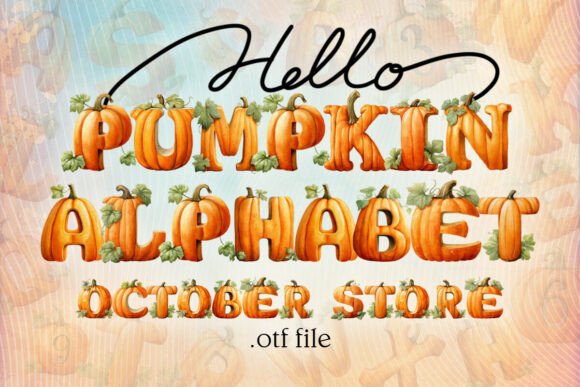
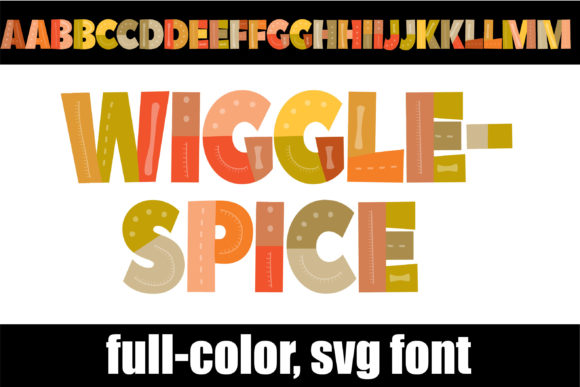
Wigglespice is not your average monochrome .otf file. As a color font, it features a rich, pumpkin-inspired palette baked directly into the letterforms. The design utilizes blocky, patterned lettering that feels tactile and inviting. When you drop it onto a canvas, you aren’t just getting black text; you are getting a visual element with depth, texture, and warmth built-in.
The installation process is surprisingly seamless. Like other modern OpenType full-color fonts, Wigglespice installs like any normal .otf font. Once installed, it behaves predictably in Adobe Illustrator, Photoshop, and InDesign. You don’t need special plugins or complex layer management to make it work. This ease of use is a massive advantage for freelancers and small business owners who want premium design assets without a steep learning curve.
Testing Wigglespice in a Boutique Identity Project
To truly understand the capabilities of Wigglespice, I applied it to a hypothetical boutique skincare brand focused on natural ingredients. The goal was to create a cohesive brand identity that felt organic yet modern. Here is how the font performed across different touchpoints:
- Logo Design: The blocky structure provided a sturdy foundation for the logotype. The internal patterns added visual interest without cluttering the mark, making it recognizable even at smaller sizes on product bottles.
- Packaging Labels: On a cream-colored jar label, the orange and earth-tone hues of the font popped beautifully. It eliminated the need for additional decorative graphics, keeping the package clean and focused.
- Social Media Graphics: For Instagram posts, Wigglespice served as an excellent headline font. The colors drew the eye immediately, increasing engagement rates on promotional content for seasonal launches.
- Business Cards: Using the font for the name and title created an immediate sense of approachability. It struck a balance between professional and playful, which aligned perfectly with the brand’s voice.
The versatility of Wigglespice lies in its ability to act as both a display font and a decorative accent. It doesn’t try to be everything at once, which is exactly why it works so well.
Readability and Visual Hierarchy Considerations
While Wigglespice is stunning for headlines and short phrases, it is crucial to understand its limitations regarding body text. The intricate patterns and full-color nature of the letters can reduce readability if used for long paragraphs. In editorial design or web design, using Wigglespice for main content would likely overwhelm the reader.
Instead, treat Wigglespice as a supporting typeface for impact. Use it for:
- Hero section headers on websites
- Poster and flyer titles
- Product names on packaging
- Short taglines and slogans
For body copy, pair it with a clean, neutral sans serif font or a classic serif font. This creates a strong visual hierarchy where Wigglespice grabs attention, and the secondary font provides clarity and structure. This combination ensures that your modern typography system remains accessible while still being visually distinctive.
Font Pairing Strategies
Finding the right companion for Wigglespice is key to avoiding a chaotic design. Because Wigglespice is bold and patterned, it needs a calm partner. Here are some effective pairing strategies:
- Minimalist Sans Serifs: Pair with geometric sans serifs like Helvetica Now or Montserrat. The neutrality of the sans serif allows the pumpkin hues and blocky shapes of Wigglespice to shine without competition.
- Elegant Serifs: For a more upscale feel, such as in luxury skincare or gourmet food branding, pair Wigglespice with a high-contrast serif. The juxtaposition of playful color and serious elegance can create a sophisticated yet fun brand perception.
- Handwritten Accents: If you need a personal touch, a subtle handwritten font can complement the blocky style of Wigglespice. However, ensure the handwriting is clean and legible to maintain professionalism.
Avoid pairing Wigglespice with other busy or colorful fonts. Let it be the star of the show. Overloading a layout with multiple decorative elements will dilute the brand message and confuse the audience.
Practical Tips for Implementation
Before committing to Wigglespice for final client work, there are a few practical steps to take. First, test the font in various contexts. Does it hold up in grayscale? Sometimes, color fonts lose their impact when printed in black and white or viewed on low-quality screens. Ensure the underlying structure of the letters is strong enough to stand alone.
Secondly, check the included styles. While Wigglespice is primarily a display font, verify if it includes alternates, ligatures, or swashes that might enhance your specific project. These features can add unique character to logos and custom illustrations.
Finally, always review the commercial font licensing. Even though Wigglespice is a versatile tool for creative studios and freelancers, usage rights vary. Make sure your license covers all intended uses, including digital products, print-on-demand items, merchandise, and client deliverables. Proper licensing protects your business and respects the creator’s work.
Who Should Use Wigglespice?
Wigglespice is ideal for brands that want to convey warmth, creativity, and approachability. It is particularly well-suited for:
- Cafés and bakeries looking for a cozy, inviting aesthetic
- Seasonal marketing campaigns, especially around autumn holidays
- Handmade shops and Etsy sellers wanting to stand out in crowded marketplaces
- Creative agencies seeking quick, impactful solutions for pitch decks and presentations
It may not be the best choice for formal corporate identities, legal firms, or medical practices where seriousness and uniformity are paramount. In those cases, stick to more conservative premium fonts that prioritize clarity over decoration.
Final Verdict
Wigglespice is a delightful addition to any designer’s toolkit. Its pumpkin-inspired color palette and blocky, patterned lettering offer a unique way to inject personality into logo design and packaging design without extra effort. By understanding its strengths as a display font and respecting its limitations in body text, you can create compelling brand identity systems that resonate with audiences.
Whether you are designing a website header, a social media graphic, or a physical product label, Wigglespice delivers visual impact with minimal friction. It is a testament to how far color fonts have come, offering designers powerful tools to communicate mood and message instantly. Give it a test drive in your next project and see how it transforms your creative workflow.