Rainbow Smash: A Playful Typeface for Modern Editorial Design
The cursor blinked on the blank page, a quiet challenge that every designer knows well. I was working on a weekend newsletter layout—a digital zine dedicated to slow living and creative workshops—and the design felt flat. The body text, a reliable serif, carried the weight of the words beautifully, but the headers lacked soul. They were functional, yes, but they didn’t invite the reader in. That is when I turned to my library of Color Fonts and pulled up Rainbow Smash. It wasn’t just a typeface; it was a mood shift.
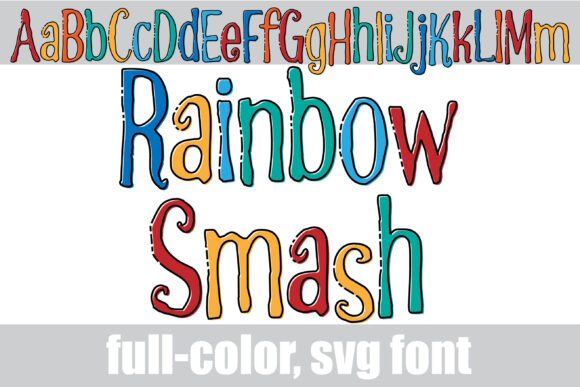
In editorial design, we often struggle to balance personality with readability. Too much whimsy distracts from the message; too little makes the publication feel sterile. Rainbow Smash strikes a delicate balance. It is an outline-style, sketch font with rainbow-colored interiors that brings immediate visual interest without overwhelming the content structure. This review explores how this dynamic display font can elevate blog headers, ebook titles, and social media graphics while maintaining a calm, expert approach to content presentation.
Visual Character and Editorial Mood
Rainbow Smash is not a subtle font. It is bold, expressive, and undeniably cheerful. The core of its appeal lies in its unique construction: an outline exterior paired with vibrant, full-color interiors. This dual-layer effect creates depth, making the letters pop against both light and dark backgrounds. When used as a premium font for headlines or pull quotes, it acts as a visual anchor, drawing the eye immediately to key information.
The "smash" aspect of the name suggests energy, but the execution is surprisingly refined. The sketch-like quality gives it a handmade, approachable feel, similar to what you might find in a high-end handwritten font collection, but with the consistency required for professional publishing. This makes it ideal for brands that want to convey creativity and warmth without sacrificing legibility. In my testing, it worked exceptionally well for lifestyle blogs and coaching workbooks where the goal is to build a personal connection with the audience.
The inclusion of alt cases adds another layer of versatility. Each letter offers additional color variations accessible through your system or Silhouette Studio. This feature allows designers to create custom gradients or mixed-color effects within a single word, enhancing the brand identity without needing complex graphic design software. For instance, using different rainbow hues for each letter in a title like "Workshop" can create a playful rhythm that keeps readers engaged.
Practical Applications in Content Layouts
While Rainbow Smash is visually striking, knowing where to place it is crucial for effective editorial design. It shines brightest in short-form applications where impact matters more than extended reading. Here are some realistic scenarios where this font has proven its worth:
- Blog Headers and Post Titles: Replacing standard sans serif headers with Rainbow Smash can instantly modernize a blog’s aesthetic. It works particularly well for creative industries, such as art tutorials, fashion lookbooks, or travel diaries.
- Ebook Covers and Chapter Openers: For digital products like recipe ebooks or wedding guides, the colorful interior provides a festive touch that aligns with celebratory themes. As a chapter opener, it sets the tone for the section that follows.
- Pull Quotes and Callouts: In long-form articles, breaking up dense text with a highlighted quote is essential for readability. Rainbow Smash serves as an excellent container for these moments, turning a simple statement into a memorable visual element.
- Newsletter Graphics: Email marketing relies heavily on visual hierarchy. Using this font for subject lines (in preview text) or banner images can increase open rates by signaling fun and engagement before the reader even clicks.
- Printable Planners and Worksheets: For creators selling digital downloads, Rainbow Smash adds a splash of joy to otherwise utilitarian layouts. It is perfect for section dividers in planners or motivational headers in course PDFs.
However, it is important to remember that this is a display font, not a body copy solution. Its decorative nature means it should be used sparingly. Overusing it can lead to visual fatigue, causing readers to skip over your content rather than engage with it. Think of it as the garnish on a dish—essential for flavor, but not the main course.
Readability and Technical Considerations
When integrating Color Fonts into your workflow, technical compatibility is a primary concern. Rainbow Smash is designed to render correctly in most modern browsers and design applications, thanks to its support for advanced typography features. However, always test your layouts across devices. On mobile screens, the thin outlines may become harder to distinguish if the contrast is low. Ensure that the background color provides sufficient separation from the font strokes to maintain modern typography standards for accessibility.
Another critical aspect is font pairing. Because Rainbow Smash is so expressive, it needs a neutral partner to ground the design. A clean sans serif font or a classic serif font works best for body text. The simplicity of the pairing allows the headline to take center stage while ensuring that paragraphs remain easy to read. For example, pairing Rainbow Smash with a geometric sans serif for navigation menus creates a cohesive look that feels both trendy and structured.
Before purchasing or downloading, check the included styles and file formats. Does the package include OpenType features like ligatures or alternate characters? Are there multiple weights? These details affect how flexible the font is for various projects. Also, verify the commercial license terms. If you plan to use Rainbow Smash in paid newsletters, client publications, or templates for resale, ensure the license covers these uses. Some fonts restrict usage in digital products, while others offer broad commercial rights.
Maintaining Consistency Across Platforms
One of the challenges of using colorful, decorative fonts is maintaining brand consistency. Since the colors are part of the font itself, you have less control over the exact hue unless you edit the file manually. This can be a pro or a con depending on your brand guidelines. For organic, free-spirited brands, the variation adds authenticity. For corporate clients requiring strict color codes, you may need to rely on solid-color alternatives or overlay techniques.
Ultimately, Rainbow Smash is a tool for adding life to static text. It transforms ordinary headings into engaging visual statements. By using it strategically—in headers, quotes, and cover text—you can enhance the emotional resonance of your content. Whether you are redesigning a website, creating a new ebook, or simply sprucing up your weekly newsletter, this typeface offers a refreshing break from the monochrome norm. It reminds us that typography is not just about conveying words, but about setting a scene. And sometimes, a little bit of rainbow magic is exactly what the layout needs.