Toon Time Color Font: Elevating Editorial Design with Playful Typography
The cursor blinked on the blank canvas of my latest project. I was redesigning a digital coaching workbook, a space that needed to feel approachable yet professional, fun yet structured. The content was serious—goal setting, habit tracking, mental clarity—but the visual tone had to be light. I didn’t want it to look like a textbook; I wanted it to feel like a conversation with a wise friend. That is when I discovered Toon Time, a color dingbat font that promised to inject personality without sacrificing readability.
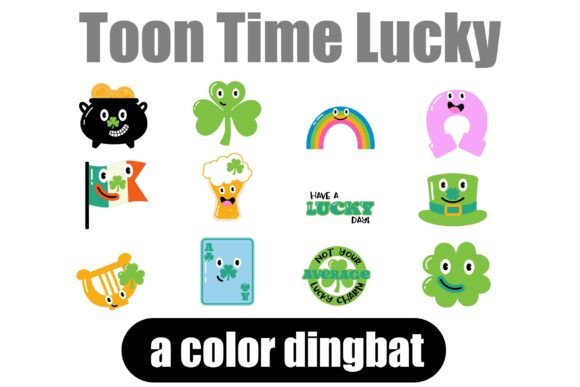
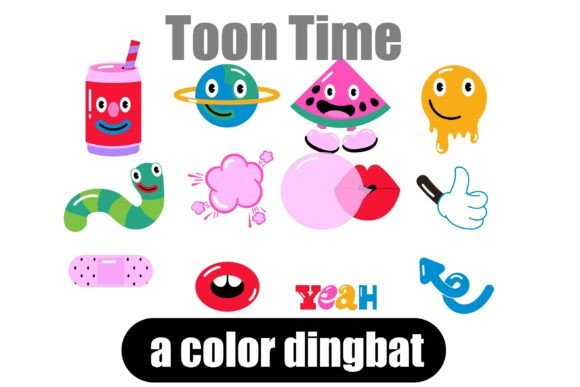
In the world of editorial design and digital publishing, choosing the right typeface is often about more than just legibility. It is about mood, rhythm, and the subtle cues that tell a reader how to feel before they even process the words. For this project, I needed something that could break up dense text, highlight key concepts, and add a layer of visual delight that standard icons or emojis couldn’t quite achieve. Toon Time offered exactly that—a collection of 26 adorable, toon-style graphics that serve as both decoration and communication tools.
The Visual Personality of Toon Time
Toon Time is not merely a font; it is a set of expressive assets designed for designers who understand the power of visual hierarchy. As a color font, it features vibrant, multi-colored glyphs that render beautifully on modern screens. The style is distinctly "toon," characterized by soft curves, exaggerated proportions, and a whimsical energy. However, what makes it particularly suitable for editorial work is its restraint. Despite being silly and fun, the shapes are clean and uncluttered, allowing them to sit comfortably alongside more traditional typography.
When I first dropped the glyphs into my layout software, I was struck by their versatility. They aren’t just decorative flourishes; they act as semantic markers. A checkmark isn’t just a tick; in Toon Time, it might be a cheerful starburst. A warning isn’t just an exclamation point; it could be a playful alert symbol. This nuance allows creators to guide the reader’s eye through a page with intention. In a newsletter header or a blog post introduction, these elements can anchor the design, creating a focal point that draws the viewer in immediately.
Enhancing Readability and Engagement
One of the common misconceptions about display fonts and dingbats is that they hinder readability. In reality, when used correctly, they enhance comprehension by breaking up monotony. In long-form content, such as a course PDF or a printable planner, white space and visual variety are crucial for preventing cognitive fatigue. Toon Time provides natural breaks in the text flow. Imagine a section on productivity tips where each tip is introduced by a unique, colorful icon from the Toon Time set. The eye naturally pauses at these colorful accents, processing the information in digestible chunks.
This approach is particularly effective for lifestyle blogs and recipe ebooks. Consider a recipe card layout: using Toon Time for ingredients lists or cooking time indicators adds a layer of charm that makes the recipe feel inviting and easy to follow. It transforms a mundane list into a visually engaging experience. Similarly, in a wedding guide or a digital magazine layout, these glyphs can denote categories, ratings, or special notes, adding a layer of sophistication that feels bespoke rather than generic.
Strategic Placement in Editorial Layouts
While Toon Time shines in headlines and accents, it is important to consider its role within the broader typographic system. It is best utilized for titles, subtitles, pull quotes, and section headings. Using it for body copy would likely overwhelm the reader, detracting from the message itself. Instead, think of Toon Time as the voice actor in your design—it brings emotion and character to specific lines, while the supporting cast (your body text) delivers the substance.
- Blog Headers: Use Toon Time for the main title of a post to create instant brand recognition and a friendly tone.
- Ebook Covers: Combine bold Toon Time lettering with clean sans serif fonts for author names to balance playfulness with professionalism.
- Newsletter Graphics: Incorporate glyphs as bullet points or dividers to make email newsletters stand out in crowded inboxes.
- Printable Planners: Use the icons to mark completed tasks or highlight priority items, turning organization into a rewarding visual activity.
Font Pairing for Balanced Design
A successful editorial design relies on harmony between contrasting typefaces. Toon Time, with its heavy visual weight and colorful nature, pairs exceptionally well with understated, readable fonts. For body copy, a classic serif font can provide a sense of authority and tradition, grounding the whimsy of the dingbats. Alternatively, a clean sans serif font works beautifully for captions, navigation menus, and secondary information, ensuring that the interface remains clear and functional.
For instance, in a coaching workbook, I paired Toon Time with a modern geometric sans serif for the instructional text. The contrast created a dynamic tension that kept the design fresh. The Toon Time glyphs acted as visual anchors, drawing attention to key takeaways, while the sans serif ensured that the detailed advice remained easy to read over multiple pages. This combination supports visual hierarchy, guiding the reader through the content with ease and confidence.
Technical Considerations for Digital Publishing
Before integrating Toon Time into any commercial project, it is essential to review the technical specifications. As a color font, it requires support from modern operating systems and applications. Ensure that your target audience has access to devices that render OpenType-SVG or COLR/CPAL fonts correctly. Additionally, verify the included styles, alternates, and ligatures to maximize the creative potential of the set. Check for multilingual support if your content reaches a global audience, and confirm the commercial font licensing terms to ensure compliance when using the font in ebooks, templates, paid newsletters, or client publications.
Furthermore, consider the export formats. For web use, converting the font to web-safe alternatives or using SVG overlays may be necessary for consistent rendering across all browsers. For print materials, high-resolution PDF exports will preserve the vibrancy of the colors and the crispness of the lines. Testing the font in mobile layouts is also crucial, as smaller screen sizes can sometimes obscure fine details in complex glyphs.
Building a Consistent Brand Identity
Consistency is key to building a strong brand identity. By incorporating Toon Time into various touchpoints—from social media graphics to packaging design—you create a cohesive visual language that resonates with your audience. The playful yet refined nature of the font allows it to adapt to different contexts without losing its core personality. Whether you are designing a logo, creating web design elements, or producing social media graphics, Toon Time offers a versatile toolkit for expressing creativity.
Ultimately, the goal of editorial design is to facilitate a connection between the writer and the reader. Toon Time facilitates this connection by adding warmth and humanity to digital spaces. It reminds us that behind every blog post, ebook, or newsletter is a person sharing ideas, and those ideas deserve to be presented with care and joy. By thoughtfully integrating this creative font into your projects, you elevate not just the aesthetics, but the overall reading experience, making your content more memorable, engaging, and impactful.