Pointless Typeface Review: A Playful Color Font for Editorial Design
I remember the exact moment I realized my blog’s visual identity needed a shift. It wasn’t about changing the color palette or restructuring the navigation menu. It was about the header. For years, I had relied on safe, standard sans serif fonts for my titles—clean, reliable, and utterly forgettable. As I began designing a new digital magazine layout for a lifestyle audience, I wanted something that felt approachable yet distinctly crafted. I wanted typography that whispered, "This is a thoughtful place," rather than shouting for attention. That search led me to Pointless, a full-color font that immediately changed how I approached editorial hierarchy.
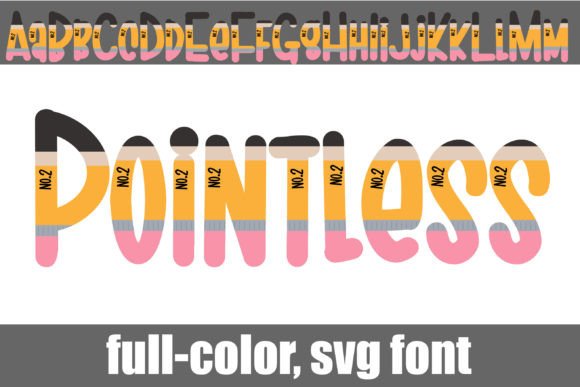
At first glance, Pointless presents itself as a youthful, hand-drawn typeface that mimics the texture and rhythm of pencil sketches. It belongs to the growing category of Color Fonts, which means it carries built-in visual information beyond simple black glyphs. When placed correctly in a design tool, it brings an instant sense of warmth and creativity to any layout. However, understanding its limitations and strengths requires a bit more nuance than simply dragging and dropping a file into your document.
The Visual Character of Pointless
What makes Pointless stand out in a sea of modern typography is its specific mood. It does not try to be formal or rigid. Instead, it evokes the feeling of brainstorming on a whiteboard, sketching ideas in a margin, or writing a personal note with a favorite mechanical pencil. The lines are slightly imperfect, giving it a human touch that resonates deeply with readers who are tired of sterile, corporate aesthetics.
In terms of editorial design, this font excels at creating a relaxed atmosphere. It works beautifully for display font applications where you need to capture attention quickly without overwhelming the eye. The playful nature of the letters suggests creativity and informality, making it an excellent choice for creative industries, lifestyle brands, and independent publishers. It feels like a creative font designed for connection rather than authority.
However, because it is a color font, there is a technical caveat every designer must respect. While it will render beautifully in compatible software like Adobe InDesign, Illustrator, or recent versions of Photoshop, it may revert to solid black in older programs or certain web browsers that do not support OpenType-SVG or COLR/CPAL font formats. This is not a flaw in the design but a limitation of the technology. Always test your final exports to ensure the color integrity remains intact, especially when preparing files for print or PDF distribution.
Real-World Applications in Content Layouts
I have tested Pointless across several different content projects, and its versatility shines brightest when used as a headline or decorative element. Here is how it performed in realistic publishing scenarios:
- Blog Headers and Cover Text: On my recent redesign project, I used Pointless for the main site title and major section headers. The pencil-like texture added depth to the page, breaking up the monotony of large blocks of text. It served as a visual anchor that guided the reader’s eye naturally down the page.
- Ebook Titles and Chapter Openers: For a coaching workbook I created, Pointless was ideal for chapter titles. The informal vibe helped lower the barrier to entry for readers, making the educational content feel less intimidating and more conversational.
- Newsletter Graphics: When designing email headers for a creator newsletter, I found that Pointless added a personal touch that increased engagement. It looked like a handwritten sign-off from a friend, which aligns perfectly with the goal of building a community.
- Printable Planners and Worksheets: In downloadable PDF products, such as printable planners, Pointless worked well for task lists and motivational quotes. Its clean-yet-playful structure ensured that the instructions remained legible while adding a splash of personality.
In each of these cases, the font supported the overall brand identity by reinforcing a message of accessibility and creativity. It proved that modern typography does not always have to be minimalist; sometimes, a little character goes a long way in establishing trust with your audience.
Readability and Structural Hierarchy
While Pointless is charming, it is crucial to recognize what it is not suited for. It is not a serif font or a sans serif font designed for dense body copy. Attempting to set long paragraphs in Pointless would result in reader fatigue. The irregular shapes and color details can become visually noisy when scaled down or packed tightly together.
For effective font pairing, the best strategy is to let Pointless handle the hierarchy while relying on a highly readable neutral typeface for the meat of your content. I typically pair it with a clean, geometric sans serif font for subheadings and body text. This combination creates a balanced visual rhythm: Pointless draws the eye and sets the mood, while the neutral font ensures clarity and ease of reading. For captions, navigation menus, or small labels, a lighter weight of the paired sans serif font maintains consistency without competing with the display text.
This approach supports strong visual hierarchy. By reserving Pointless for titles, pull quotes, and key accents, you create a clear distinction between decorative elements and informational content. Readers can quickly scan the page, identifying sections through the distinctive look of the headlines, while enjoying a comfortable reading experience in the body text. This balance is essential for retaining audience engagement, particularly on mobile devices where screen real estate is limited.
Practical Considerations for Creators
If you are considering incorporating Pointless into your design assets, there are a few practical steps to take before purchasing or implementing the license. First, check the included styles. Does it offer multiple weights? Are there alternates or ligatures that enhance the hand-drawn feel? These features can significantly impact the flexibility of the font in complex layouts.
Secondly, verify the multilingual support if your content reaches a global audience. Not all premium font libraries include extensive language packs, so ensure the characters you need are available. Finally, review the commercial licensing terms carefully. If you plan to use Pointless in paid newsletters, client publications, or digital downloads, make sure the license covers those specific uses. Understanding the legal boundaries protects both your work and the type designer’s rights.
In conclusion, Pointless is a delightful addition to any designer’s toolkit, provided it is used with intention. It is not a replacement for functional body text but a powerful tool for setting tone and style. Whether you are redesigning a website, creating a wedding guide, or crafting a social media graphic, Pointless offers a unique blend of playfulness and professionalism. It reminds us that typography is not just about conveying words; it is about conveying feeling. And in a crowded digital landscape, that emotional connection is often the most valuable asset we can offer our readers.