Rainbow Jello: A Playful Typeface for Bold Brand Identity Projects
I opened a blank Figma file at 9 AM, staring down the barrel of a branding brief that felt impossible. The client wanted a visual identity that screamed "fun" but didn't scream "cheap." They were launching a line of artisanal gummies and needed packaging that popped on a crowded shelf while still feeling premium enough to gift. Standard sans-serifs felt too corporate, and traditional scripts felt too elegant. I needed something with weight, bounce, and immediate personality. That’s when I pulled up Rainbow Jello.
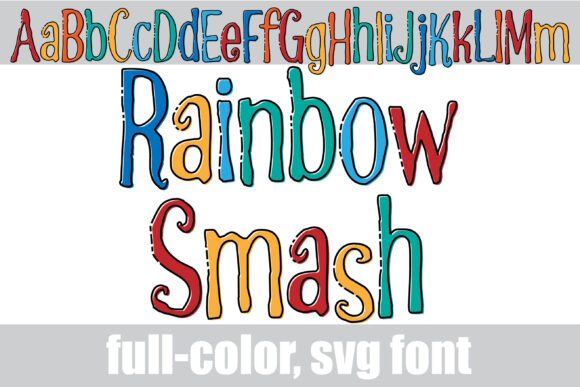
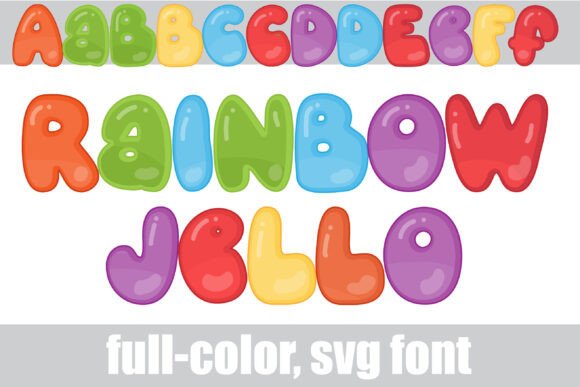
This isn’t just another decorative typeface. It is a full-color font featuring chubby, jelly-like lettering in a vibrant rainbow color palette. What initially drew me in was the promise of accessibility through system or Silhouette software, allowing for easy access to alternate cases. But as I started dragging letters onto my canvas, I realized this creative font offered so much more than just color—it offered attitude.
First Impressions: The Visual Personality of Rainbow Jello
The moment you place Rainbow Jello on a design board, it demands attention. The letters are thick, rounded, and possess a distinct gelatinous quality that mimics the texture of actual jello candies. This isn’t subtle typography; it is bold, expressive, and inherently playful. For a graphic designer working on brand identity, this kind of personality can be a double-edged sword. If used poorly, it risks looking like a kindergarten craft project. If used well, it creates an instant emotional connection with the audience.
What makes this font stand out among other display fonts is its structural integrity. Despite being chubby and soft-looking, the letterforms remain legible and balanced. The curves don’t collapse into blobs, and the spacing allows for clear word separation even when the colors are intense. When I tested it on a dark background, the vibrancy really sang. It has a mood that is cheerful, energetic, and slightly nostalgic, tapping into the universal love for candy aesthetics without feeling dated.
From Mockup to Reality: Testing in Real-World Scenarios
I decided to test Rainbow Jello not just as a logo mark, but across a full suite of brand materials. My first stop was the product label. Gummy packaging often relies on bright colors and fun shapes, so having a typeface that naturally complements those elements was crucial. I placed the text on a die-cut sticker mockup, using the default rainbow palette. The result was striking. The alternating colors within each letter added depth and movement, making the text feel dynamic rather than static.
Next, I moved to social media graphics. In the world of Instagram posts and stories, static images need to grab attention in milliseconds. I created a series of carousel slides using Rainbow Jello for the headlines. Because it is a color font, I didn’t have to manually color-code each letter or worry about inconsistent branding. The alt case feature allowed me to switch between different color combinations for each slide, keeping the feed visually interesting without breaking consistency. It worked beautifully as a headline font, drawing the eye immediately to the key message.
I also experimented with web design applications. Placing this typeface in a hero section of a landing page gave the site an immediate sense of character. However, I quickly learned that it works best as an accent font rather than a body text solution. Its size and color intensity make it overwhelming for long-form reading. Instead, I used it for short phrases, call-to-action buttons, and section headers. Paired with a clean, neutral sans serif font for the body copy, the contrast created a professional yet approachable hierarchy.
Strategic Font Pairing and Hierarchy
One of the biggest challenges with a strong personality typeface like Rainbow Jello is ensuring it doesn’t fight for dominance against every other element in your layout. To maintain readability and visual hierarchy, pairing is essential. I found that this creative font pairs exceptionally well with modern typography styles that offer a stark contrast to its organic shapes.
A geometric sans serif font works perfectly alongside it. The sharp angles and clean lines of the sans serif ground the whimsical nature of the jelly letters, adding a layer of sophistication. Alternatively, pairing it with a delicate script font can create a nice balance between playfulness and elegance, though care must be taken to ensure the script doesn’t get lost in the visual noise. For editorial design projects, such as a magazine cover or a flyer, I would recommend keeping the supporting text minimal. Let Rainbow Jello be the star, and use understated fonts to provide context.
Technical Considerations for Designers
Before committing to any premium font for a commercial project, it is vital to check the technical specifications. With Rainbow Jello, the inclusion of alternate characters is a game-changer. Accessing these alternates through your system or design software means you can customize the color palette to match specific brand guidelines. This flexibility is crucial for maintaining brand recognition while avoiding repetitive visuals.
Designers should also verify the file formats included with the purchase. Most high-quality color fonts come in OpenType-SVG or COLR/CPAL formats, which ensure compatibility with major design platforms like Adobe Illustrator, Photoshop, and Affinity Suite. Additionally, checking for multilingual support is important if your client operates in multiple regions. While Rainbow Jello is primarily designed for English, confirming character set coverage ensures you won’t hit roadblocks during translation phases.
Another practical tip is to test the font at various sizes. Display fonts often lose their charm when scaled down too small. I noticed that below a certain point, the intricate color details within the letters merged into a muddy blob. Therefore, I reserved Rainbow Jello for large-scale applications such as posters, banners, shop signs, and merchandise like t-shirts and tote bags. For smaller assets like business cards, I used it sparingly, perhaps only for the company name, paired with a minimalist layout to let the typography breathe.
Why It Fits Modern Branding Trends
Current trends in branding lean heavily toward authenticity, joy, and sensory experiences. Consumers are drawn to brands that evoke positive emotions and stand out from the sea of minimalist corporate designs. Rainbow Jello taps directly into this desire by offering a tactile, sensory visual experience through its jelly-like aesthetic. It suggests freshness, sweetness, and creativity—attributes that align perfectly with food & beverage brands, children’s products, and lifestyle startups.
For entrepreneurs and small business owners, using a unique typeface like this can differentiate their brand identity in a crowded market. It signals that the brand is willing to take creative risks and prioritize fun. Whether you are designing packaging design assets, creating digital templates for social media, or developing a comprehensive logo design, Rainbow Jello provides a versatile toolset that bridges the gap between playful and professional.
Final Recommendations for Implementation
If you are considering integrating Rainbow Jello into your next project, start with a clear concept. Define what emotion you want the typography to convey. Is it pure fun? Or is it sophisticated playfulness? Once you have that direction, experiment with color palettes beyond the default rainbow. Sometimes, toning down the saturation or using monochromatic variations of the jelly shape can add a modern twist.
Always respect the font’s limitations. Use it for short-form text where impact matters more than volume. Test it rigorously across different mediums—from screen pixels to printed ink—to ensure the colors translate well. And remember, good design is about balance. Let Rainbow Jello shine, but support it with thoughtful layout choices and complementary design elements. By doing so, you can create memorable, engaging brand experiences that resonate with audiences and elevate your creative work.