Peppermint Glow Typeface: A Designer’s Guide to Soft Color Typography
I still remember the moment I opened a blank brand board for a new skincare client. The brief was simple but deceptively tricky: they wanted a visual identity that felt fresh, clean, and undeniably modern, yet warm enough to invite touch. Most designers reach for their usual go-to sans serif stacks or perhaps a trendy geometric display font. But this time, I was looking for something with more personality—something that could carry color without feeling like a gimmick. That is when I pulled Peppermint Glow into my workflow.
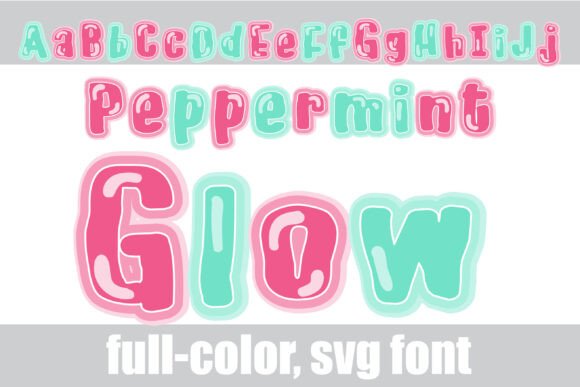
It wasn’t just another black-and-white typeface file. This full-color font features a soft sans serif with a glowing pink and mint green palette. From the very first mockup, it changed the entire direction of the project. If you are a graphic designer, freelancer, or creative studio owner looking to add vibrancy to your branding projects, understanding how to integrate color fonts like Peppermint Glow can be a game-changer. Here is how I used it in a real-world scenario, along with practical advice on making it work for your own designs.
The First Impression: Mood and Visual Appeal
When you first drag Peppermint Glow onto your canvas, the immediate effect is one of approachability. The letterforms are rounded and friendly, avoiding the sharp edges of many modernist sans serifs. Instead, they offer a gentle curve that feels inviting. The palette itself—a mix of pastel pinks and cool mints—creates an instant mood board before you even place a single word. It evokes freshness, cleanliness, and a touch of playful sophistication.
In the context of our skincare client’s project, this mattered immensely. We were designing packaging for a line of natural face masks and toners. Using a stark black Helvetica would have felt too clinical. Using a heavy script might have felt too traditional. Peppermint Glow hit the sweet spot. It looked great on a white background, but it truly came alive when placed against textured paper stocks or clear plastic labels. The colors didn’t clash; they harmonized, creating a cohesive visual language that screamed "self-care" without being cliché.
Technical Nuances: Accessing the Magic
One thing that often trips up designers new to color typography is accessibility. With standard fonts, you select text and change the color in your software. With Peppermint Glow, the color is baked into the glyph. However, there is a hidden layer of depth here. There is an alt version you can access through your system s character map that contains additional colors and variations.
This is crucial for maintaining consistency across different mediums. For example, when designing the logo mark, I used the primary pink variant for the main iconography. But when moving to social media graphics where we needed contrast against darker backgrounds, I switched to the alternate mint-heavy glyphs available in the character map. This flexibility allows you to maintain the brand’s core identity while adapting to specific design constraints. Always take five minutes to explore the OpenType features and character maps of any premium font you purchase. You never know what hidden gems are waiting inside.
Application in Brand Identity and Packaging
In our case study, Peppermint Glow served primarily as a display font. It was not intended for body copy—that would have been overwhelming and difficult to read over long passages. Instead, it shone in headlines, product names, and short taglines. Here is how it performed in key areas:
- Logo Design: The soft curves made the logotype feel custom and hand-crafted, even though it was digital. It added weight and presence without requiring complex vector tracing.
- Packaging Design: On small jars and bottles, legibility is key. Because the font has generous x-heights and open counters, it remained readable even at smaller sizes. The color helped differentiate product lines (e.g., using pink variants for rose-scented items and mint for eucalyptus).
- Social Media Graphics: Instagram and Pinterest are visual-first platforms. Posts featuring Peppermint Glow naturally drew the eye. The colors aligned perfectly with current aesthetic trends, boosting engagement rates organically.
For editorial design or website headers, the font provided a strong focal point. When paired correctly, it anchored the page. I found that using it for H1 and H2 tags gave the website a distinctive voice that separated it from generic corporate templates.
Font Pairing Strategies
A common mistake with bold, colorful display fonts is trying to pair them with other decorative typefaces. This creates visual noise. To let Peppermint Glow shine, you need supporting partners that are quiet and neutral. In our branding system, I paired it with a clean, minimal sans serif font for body text and secondary information. This created a beautiful hierarchy: the colorful font grabbed attention, while the neutral font delivered the details.
For a more sophisticated look, especially in luxury or high-end retail contexts, pairing with a delicate serif font can work wonders. The contrast between the soft, rounded sans serif of Peppermint Glow and the elegant serifs of a classic typeface adds depth and texture. Just ensure the serif is light and airy so it doesn’t compete for dominance. Avoid pairing it with script or handwritten fonts unless you are extremely careful with spacing and scale; the combination can easily become cluttered and hard to parse.
Practical Testing and Implementation Tips
Before committing to Peppermint Glow for a full client deliverable, I always recommend running a series of tests. Digital screens render color differently than print. What looks vibrant on your calibrated monitor might appear muddy on a standard office printer or a glossy magazine stock. Print out physical proofs. Look at the font on actual materials—business cards, label stickers, tote bags, and product mockups.
Check the readability at various scales. Does the glow effect hold up when reduced to favicon size? Does it lose its charm when stretched? Also, consider the context of the audience. While Peppermint Glow is fantastic for lifestyle brands, boutiques, and creative studios, it might feel too casual for a law firm or a financial institution. Understanding your audience’s expectations is just as important as understanding the font’s capabilities.
Finally, verify the licensing. As a commercial font, ensure you have the appropriate rights for the volume of use, whether it is for digital assets, merchandise, or broadcast. Proper licensing protects both you and your client from legal issues down the line.
Why This Approach Works for Modern Brands
The shift towards color fonts represents a broader trend in design: the move away from monochrome minimalism towards expressive, emotive branding. Consumers are drawn to authenticity and warmth. Peppermint Glow delivers exactly that. It feels human, crafted, and intentional. By integrating such a dynamic typeface into your design process, you are not just choosing a font; you are choosing a tone of voice.
Whether you are designing a local restaurant menu, a handmade shop’s Etsy banner, or a comprehensive brand identity for a startup, taking the time to experiment with creative fonts like Peppermint Glow can elevate your work. It adds a layer of polish and personality that standard fonts simply cannot match. So, the next time you face a blank canvas, don’t just pick a color—pick a typeface that already carries the emotion you want to convey.