Paperclipped Pumpkin: A Playful Color Font for Autumn Web Design
In the world of digital design, seasonal updates are often an afterthought. We tend to stick to our trusted sans serif workhorses or established serif pairings, rarely deviating from the safe zones of neutrality. However, for web designers and UI creators looking to inject personality into their layouts, Paperclipped Pumpkin offers a refreshing departure from the ordinary. This full-color font brings a tactile, autumnal warmth to digital spaces, transforming standard text elements into engaging visual experiences without sacrificing the structural integrity required for modern web interfaces.
As a designer who spends hours optimizing landing pages and refining brand identities, I look for typefaces that do more than just convey information—they set a tone. Paperclipped Pumpkin is not merely a decorative display font; it is a strategic asset for creating cohesive, emotionally resonant web experiences. Its unique paper-style aesthetic, combined with an autumn color palette, allows for immediate brand differentiation in crowded digital marketplaces.
Visual Personality and Digital Appeal
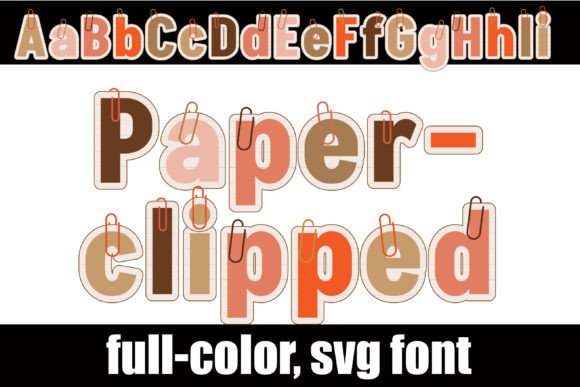
At first glance, Paperclipped Pumpkin appears as a whimsical, handcrafted typeface. The letters mimic the texture of cut paper, complete with subtle shadows and layered effects that give them depth on screen. What makes this font particularly powerful for web design is its use of Color Fonts. Unlike traditional monochrome fonts, this typeface utilizes multiple colors within a single glyph. This means you can access additional alt cases and color variations directly through your system’s character map, allowing for dynamic typography that feels alive and interactive.
The visual language of Paperclipped Pumpkin is inherently approachable. It evokes feelings of coziness, creativity, and organic authenticity. For brands in the lifestyle, education, or creative sectors, this translates to higher perceived trust and engagement. When a user lands on a page where the headings feel hand-assembled rather than algorithmically generated, it creates a subconscious connection. The font’s playful nature softens the rigid grid structures common in UI design, making complex information feel more digestible and friendly.
Strategic Placement for Conversion and Hierarchy
One of the most critical aspects of web design is establishing a clear visual hierarchy. Paperclipped Pumpkin excels as a display font for hero sections, section headers, and call-to-action (CTA) areas. Because of its high visual weight and distinctive color palette, it naturally draws the eye. However, due to its decorative nature, it should be used sparingly to maintain readability and prevent cognitive overload.
Consider a boutique online store launching a fall collection. Using Paperclipped Pumpkin for the main banner headline—such as "Harvest Sale" or "New Arrivals"—creates an immediate thematic link. The paper-cut aesthetic suggests craftsmanship and quality, reinforcing the value proposition of physical goods. In contrast, using this font for body copy would hinder scanning behavior and reduce accessibility. Instead, pair it with a clean, neutral sans serif font for product descriptions and navigation menus. This contrast ensures that while the brand voice is strong and memorable, the functional information remains crisp and legible.
For SaaS founders or tech startups, this font might seem unconventional for primary branding, but it has a specific niche application. Imagine a productivity app introducing a "Back to School" feature or a coaching platform launching a new course module. Here, Paperclipped Pumpkin can serve as a temporary accent font for promotional banners or email marketing headers. It signals a shift in focus and adds a human touch to otherwise sterile digital products.
Readability and Responsive Considerations
When integrating any decorative font into a responsive web layout, scalability is paramount. Paperclipped Pumpkin performs best at larger sizes where its intricate details—like the simulated staples and paper edges—are visible. On mobile screens, where space is limited, ensure that the font size is large enough to retain its character. If scaled down too small, the color variations may blur, and the "paper" effect may become muddy, leading to a loss of clarity.
To optimize for dark backgrounds, consider using the lighter alt cases available in the font file. The contrast between the bright autumn hues and a deep navy or charcoal background can create a striking, modern aesthetic. Conversely, on light backgrounds, the natural shadows of the paper style provide excellent separation from the content behind it. Always test your chosen font against your brand’s color palette to ensure sufficient contrast ratios for accessibility standards (WCAG). While Paperclipped Pumpkin is vibrant, it must remain readable for users with varying visual abilities.
Font Pairing and Layout Rhythm
Effective font pairing is the cornerstone of professional web design. Paperclipped Pumpkin, being a highly stylized display font, requires a calm counterpart to balance its energy. A geometric sans serif font like Inter, Roboto, or Helvetica Neue works exceptionally well as body copy. The simplicity of these typefaces allows the pumpkin-themed headlines to shine without competition. Alternatively, for a more editorial or academic vibe, such as a blog about literature or history, pairing it with a classic serif font can evoke a sense of tradition and authority, softened by the playful nature of the headline.
In terms of layout rhythm, use Paperclipped Pumpkin to break up long stretches of text. Insert it as a pull quote, a subheader within a blog post, or a label for category filters in an e-commerce grid. These micro-interactions keep the user engaged and guide them through the content journey. For example, on a portfolio site, using this font for project titles can add a personal, artistic flair that aligns with the creator’s brand identity.
Licensing and Commercial Usage
Before implementing Paperclipped Pumpkin in client projects or commercial websites, it is essential to review the licensing terms. As a premium font, it typically comes with specific usage rights regarding web embedding, desktop installation, and commercial applications. Ensure that your license covers the intended use cases, whether you are building a custom WordPress theme, designing a digital template for sale, or creating branded assets for a marketing campaign. Proper licensing protects both you and your client from legal issues and supports the type foundry’s continued innovation.
Ultimately, Paperclipped Pumpkin is more than just a seasonal novelty; it is a versatile tool for enhancing digital storytelling. By understanding its strengths as a display element and respecting its limitations in body copy, designers can leverage its unique charm to create websites that are not only visually appealing but also emotionally engaging. Whether you are updating a landing page for a holiday promotion or refreshing a brand’s visual identity, this font offers a sophisticated yet playful solution for modern web design challenges.