Green Grind: A Serif Typeface for Editorial Branding
In the world of digital publishing and editorial design, typography is not merely a vessel for text; it is the voice of your publication. When you are designing a newsletter, an ebook cover, or a high-end magazine layout, the typeface you choose sets the emotional tone before the reader processes a single word. For creators who value organic aesthetics combined with structured readability, Green Grind offers a distinctive solution. This full-color serif font brings a lush, botanical energy to modern typography, making it an excellent choice for brands that want to feel grounded, natural, and sophisticated.
The Visual Personality of Green Grind
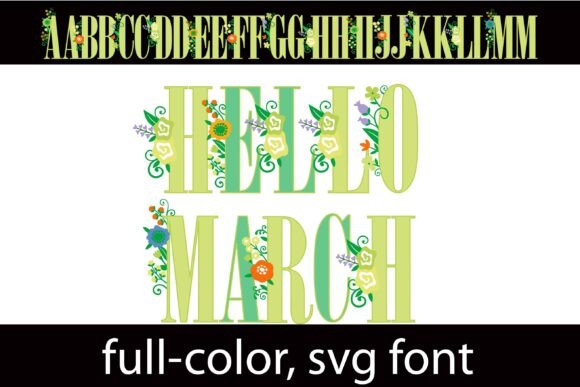
At first glance, Green Grind stands out as a premium color font that defies traditional monochrome limitations. It features a classic serif structure but is rendered in a vibrant green color palette that evokes nature, growth, and freshness. The uppercase letters are adorned with delicate floral details, adding a layer of decorative elegance without compromising legibility. This blend of traditional serif formality and organic decoration makes it particularly suited for editorial projects that require a touch of whimsy or earthiness.
The inclusion of alternative characters accessible through your system’s character map adds another layer of versatility. These alternates allow designers to customize the density and style of the floral elements, enabling fine-tuned control over visual hierarchy. Whether you need a bold statement for a headline or a subtle accent for a pull quote, the ability to toggle these variations ensures that the font remains dynamic rather than static. As a creative font within the broader category of Color Fonts, it serves as both a text element and a graphic asset simultaneously.
Enhancing Editorial Layouts and Reader Engagement
For bloggers and content creators, maintaining reader attention is paramount. Green Grind can significantly impact how your audience perceives your content. Its unique aesthetic works exceptionally well for breaking up dense blocks of text. By using this display font for section headings, chapter openers, or key takeaways, you guide the eye through the article more effectively. The green hue naturally draws attention, signaling importance while maintaining a calming, approachable mood.
In magazine design and digital publications, consistency in brand identity is crucial. Green Grind provides a strong anchor for visual branding. Imagine a lifestyle blog dedicated to sustainable living or wellness. Using Green Grind for the masthead and major subheaders creates an immediate association with eco-conscious values. The serif base ensures that the brand feels established and trustworthy, while the floral accents suggest care and detail. This duality supports a publication identity that is both professional and personable.
Practical Applications Across Formats
The versatility of Green Grind extends across various content formats. Here is how it can be integrated into different types of digital and print products:
- Ebook Covers and Titles: For non-fiction guides on gardening, cooking, or mindfulness, Green Grind offers a title treatment that feels handcrafted yet polished. The color integration reduces the need for additional graphical overlays, streamlining the design process.
- Newsletter Graphics: In email marketing, first impressions count. Using Green Grind for the subject line preview text or the header image can increase open rates by standing out in crowded inboxes. The floral details add a personal touch that encourages clicks.
- Printable Guides and Worksheets: For course creators and coaches, printable materials need to look professional. Green Grind is ideal for worksheet titles, instruction headers, and motivational quotes. Its legibility at larger sizes ensures that users can easily follow along with their exercises.
- Social Media Quote Graphics: Platforms like Instagram and Pinterest favor visually striking text. Green Grind allows you to create quote cards where the typography itself is the main visual element. The built-in colors eliminate the need for complex layering in design software.
Readability and Technical Considerations
While Green Grind is a display font optimized for headlines and short text, understanding its limitations is key to effective usage. Like most decorative serif fonts, it may become difficult to read when used for long-form body copy. The intricate floral details on the uppercase letters can create visual noise if applied to paragraphs. Therefore, it is best reserved for titles, subtitles, pull quotes, and accent typography.
When exporting your designs for PDF downloads or web viewing, ensure that the color rendering is preserved. Since this is a color font, some older devices or specific browser environments might render the glyphs in a single flat color if the font files are not embedded correctly. Always test your layouts on mobile devices, where screen real estate is limited. The bold nature of the font helps it remain impactful even at smaller sizes, provided there is sufficient contrast against the background.
For those creating multi-page documents such as ebooks or magazines, consistency is maintained by pairing Green Grind with a highly readable companion font. A clean sans serif font works well for captions, navigation menus, and body text, creating a balanced typographic scale. Alternatively, a classic serif font can be paired for a more traditional literary feel. Avoid pairing it with other script fonts or handwritten fonts, as the existing floral elements already provide significant visual texture. Let Green Grind be the star, and let the supporting typography recede into the background.
Font Pairing Strategies for Modern Typography
To maximize the editorial appeal of Green Grind, consider these pairing strategies:
- Minimalist Sans Serif: Pair with a geometric sans serif for a modern, clean look. This combination works well for tech-forward lifestyle blogs or contemporary fashion publications.
- Classic Serif: Combine with a neutral serif like Garamond or Merriweather for a timeless, book-like aesthetic. This is ideal for literary journals, poetry collections, or historical guides.
- Handwritten Accents: Use sparingly with a simple handwritten font for notes or signatures. Ensure the handwritten font does not compete with the floral details of Green Grind.
Licensing and Commercial Use
As a commercial font, proper licensing is essential for publishers and designers. Green Grind is suitable for use in digital products, including paid newsletters, online courses, and downloadable templates. However, always review the specific end-user license agreement (EULA) provided by the creator. Some licenses may restrict the number of downloads or require separate licenses for each client project. For print-on-demand items or physical packaging design, ensure that your license covers physical goods. Understanding these terms protects your brand identity and ensures ethical use of design assets.
Incorporating Green Grind into your workflow allows for a seamless blend of artistry and function. It supports editorial design by providing a unique visual language that resonates with readers seeking authenticity and beauty. Whether you are launching a new magazine, redesigning your blog, or creating a lead magnet, this typeface offers the structural integrity of a serif with the engaging personality of a modern, colorful display font. By leveraging its strengths in headings and accents, you can elevate your content from ordinary text to an immersive reading experience.