Spring Mushrooms: A Pastel Typeface for Editorial Design
I remember sitting at my desk late one Tuesday, staring at a blank digital canvas for a spring-themed lifestyle newsletter. The content was solid—fresh gardening tips, gentle wellness advice, and a few seasonal recipes—but the visual identity felt flat. I needed something that whispered rather than shouted, a typeface that could carry the weight of the season without overwhelming the reader’s eye. That was when I pulled up Spring Mushrooms, a full-color font that immediately shifted the mood of the entire project.
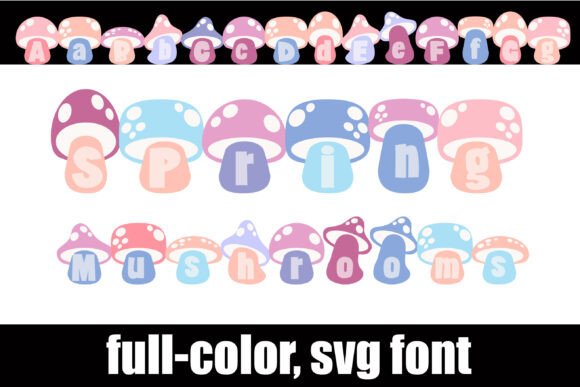
This isn’t just another decorative script or a rigid sans serif. It is a creative font that blends whimsy with editorial polish, featuring pastel-colored mushrooms integrated into the letterforms. For bloggers, publishers, and independent designers looking to add a touch of organic charm to their work, this premium font offers a unique solution for branding and layout hierarchy.
The Visual Rhythm of Spring Mushrooms
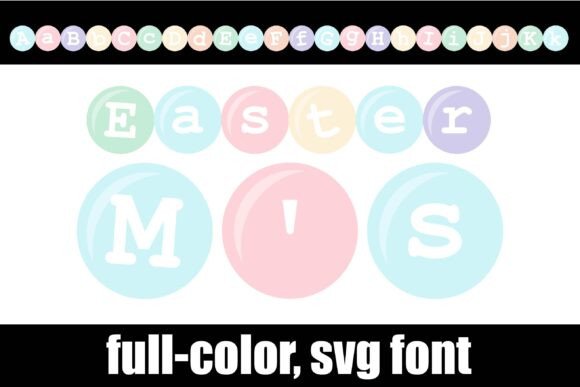
At first glance, Spring Mushrooms appears to be purely decorative, but its true strength lies in its structural integrity. As a display font, it is designed to grab attention while maintaining legibility. The letters are not merely black shapes on a white page; they are populated with soft, muted tones of green, pink, and cream, mimicking the delicate caps of fungi found after a spring rain. This use of color within the glyphs themselves transforms standard typography into an illustration.
The font includes an alt case accessible through your system or Silhouette’s glyph map, allowing you to swap out the mushroom accents for additional colors. This feature is invaluable for editorial design, where consistency in brand identity is key. If your publication uses a specific shade of sage green for headers, you can adjust the alt characters to match perfectly, ensuring that every title feels cohesive with the rest of the layout.
The personality of the typeface is calm and inviting. It avoids the chaotic energy of some handwritten fonts or the cold precision of geometric sans serif font styles. Instead, it offers a relaxed rhythm that guides the eye smoothly across headlines, pull quotes, and section dividers. It feels like a natural extension of the content, particularly for niches focused on nature, wellness, home decor, and creative living.
Real-World Applications in Content Layouts
In my recent testing, I applied Spring Mushrooms to several different formats to see how it handled various reading contexts. Here is how it performed in real-world scenarios:
- Blog Headers and Cover Text: When used as the main title for a blog post about indoor plants, the font provided an immediate emotional hook. The pastel accents drew the reader in before they even read the headline text. It works exceptionally well for web design elements that need to stand out without using heavy graphics.
- Ebook Titles and Chapter Openers: For a digital guide on foraging, I used the font for chapter titles. The colorful glyphs added depth to the PDF export, making the document feel more like a curated magazine than a plain text file. It elevates the perceived value of digital downloads and printable guides.
- Newsletter Graphics: In a weekly creator newsletter, I used the font for the subject line preview and the header graphic. Because the font carries its own color, it reduced the need for external image editing software, streamlining the production workflow for busy content creators.
- Workbooks and Worksheets: For a coaching workbook, I used the font for section headings and instructional callouts. The playful yet structured nature of the letters kept the tone encouraging and friendly, which is essential for educational materials.
These examples highlight how Spring Mushrooms supports publication identity. By consistently using this creative font across different assets—from social media graphics to printed flyers—you build a recognizable visual language that audiences begin to trust and anticipate.
Readability and Hierarchy Considerations
While Spring Mushrooms is beautiful, it is important to approach it with a designer’s understanding of modern typography. Like all script fonts or highly expressive typefaces, it has limitations regarding length and size.
It is not suitable for body copy. Attempting to set long paragraphs in this font would result in visual fatigue, as the embedded illustrations compete with the word shapes for the reader’s attention. Similarly, small captions, dense footnotes, or formal legal disclaimers should never be set in this style. The best practice is to use Spring Mushrooms for titles, subtitles, pull quotes, and short decorative accents. This approach preserves visual hierarchy, allowing the reader to quickly scan the structure of the content before diving into the details.
For mobile layouts and screen reading, test the font at smaller sizes. While the glyphs are clear, intricate details may blur on low-resolution screens. Ensure that the contrast between the pastel colors and the background remains sufficient for accessibility standards. Using the font for large, impactful text ensures that the aesthetic intent is preserved regardless of the device.
Pairing Strategies for Balanced Design
To get the most out of Spring Mushrooms, pair it with a clean, neutral typeface. The complexity of the display font requires simplicity in the supporting text. A classic serif font with high readability, such as Georgia or Merriweather, works beautifully for body text in ebooks and articles. The traditional structure of the serif balances the organic whimsy of the mushrooms.
Alternatively, a clean sans serif font like Helvetica or Lato can provide a modern contrast, ideal for navigation menus, button labels, and metadata in magazine layouts. This combination creates a dynamic tension between the playful header and the functional body text, resulting in a professional yet approachable look.
When designing for print materials, such as packaging design for artisanal goods or logo design for a boutique brand, ensure that the file formats support the color glyphs. Most modern publishing tools handle full-color fonts seamlessly, but always verify compatibility before finalizing exports for offset printing or digital distribution.
Practical Tips for Implementation
Before incorporating Spring Mushrooms into your projects, take a moment to review the included styles and ligatures. Check if the font supports multilingual characters if you plan to publish in multiple languages. Also, verify the commercial licensing terms. As a commercial font, it typically allows for use in client publications, paid newsletters, and templates, but it is always wise to confirm specific restrictions regarding resale or unlimited distribution.
Ultimately, Spring Mushrooms is more than just a pretty face. It is a strategic design asset that enhances brand identity and engages readers through thoughtful visual storytelling. Whether you are redesigning a blog, creating a wedding guide, or launching a new course PDF, this font adds a layer of warmth and professionalism that resonates with audiences seeking authenticity and beauty in their digital experiences.