Pumpkin Pops: A Designer’s Review for Real-World Projects
When I first opened the folder containing Pumpkin Pops, my immediate reaction was one of cautious optimism. As a designer who has spent years navigating the sea of generic templates and overused display fonts, finding a typeface that feels both fresh and functional is rare. This color font doesn’t just sit on the page; it demands attention. But does it hold up when you move from a beautiful mood board to actual client deliverables? That is the question I set out to answer.
First Impressions and Visual Personality
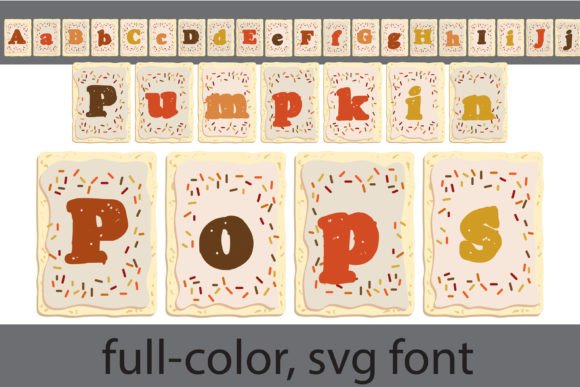
The name suggests warmth, autumn, and comfort, but visually, Pumpkin Pops brings a modern, playful energy that transcends seasonal trends. It is not merely a decorative script or a rigid serif. Instead, it occupies a unique space in modern typography, blending the organic flow of a handwritten font with the structural integrity needed for branding. The letterforms feel bouncy yet controlled, creating a visual personality that is approachable without being childish.
In terms of mood, this typeface exudes confidence. It feels like a brand that knows exactly what it wants but isn’t afraid to smile while saying it. For digital sellers and content creators, this is gold. It cuts through the noise of flat, monochrome designs. However, because it is a creative font with distinct color layers, it requires a different mindset than traditional black-and-white typefaces. You cannot simply drop it into a layout and expect it to behave like a standard sans serif font. It needs room to breathe.
Performance in Branding and Logo Design
I tested Pumpkin Pops extensively in the realm of logo design and brand identity. The results were mixed but ultimately positive if approached with discipline. Because it is a display font, its strength lies in short phrases rather than long sentences. When used for a primary logo mark, it creates an instant emotional connection. It works exceptionally well for food brands, lifestyle blogs, and boutique shops.
However, I would advise against using it as the sole element in a complex brand identity. Its expressive nature can clash with more serious corporate messaging. If you are building a premium font package for a client, use Pumpkin Pops as the headline accent, paired with a clean, neutral sans serif font for body text. This contrast ensures that the brand remains professional while retaining its unique character. In packaging design, this pairing strategy shines. Imagine a coffee bag where the product name pops in Pumpkin Pops, while the ingredients list sits in a crisp, readable sans-serif. The hierarchy is clear, and the visual appeal is high.
Editorial Design and Digital Content
In the world of editorial design and web design, readability is king. While Pumpkin Pops is engaging, it lacks the legibility required for dense paragraphs. My testing showed that it performs best in large headlines, pull quotes, and section dividers. When I placed it beside a classic serif font, the combination felt timeless yet contemporary. The juxtaposition of the playful display letters against the structured serifs created a sophisticated tension that elevated the entire layout.
For social media graphics, this font is practically made for engagement. Instagram and Pinterest favor bold, eye-catching visuals, and Pumpkin Pops delivers exactly that. Whether you are designing a quote card for a wellness coach or a promotional banner for a small business owner, the vibrant colors inherent in this color font stop the scroll. It adds depth without requiring heavy graphic overlays. Just remember to keep the background simple. Let the typography be the hero.
Practical Applications for Crafters and Sellers
If you are a crafter or a digital product creator, understanding the versatility of your design assets is crucial. Pumpkin Pops translates beautifully into physical products. I ran test files through a Cricut machine for vinyl decals, and the cut lines were precise. The curves held up well, making it ideal for mugs, t-shirts, and tote bags. For those selling on Etsy or similar platforms, offering designs that utilize this font can attract buyers looking for a cheerful, personalized touch.
In the realm of printable design and digital product creation, such as planners or journal covers, Pumpkin Pops adds a layer of polish. It elevates a simple template into something that looks professionally designed. When creating Canva templates, ensure you provide instructions on how to handle the color layers if the user wishes to change them. Not all users have access to advanced editing tools, so keeping the default color palette intact often yields the best results.
Where to Exercise Caution
No typeface is perfect, and knowing where Pumpkin Pops struggles is just as important as knowing where it succeeds. Avoid using this font for navigation menus, legal disclaimers, or any text that needs to be scanned quickly. Its decorative nature introduces cognitive load, slowing down reading speed. Furthermore, be mindful of scale. At small sizes, the intricate details of the display font can blur or become muddy, especially in print. Always test your final file at 100% size before sending it to press.
Another pitfall to watch for is spacing. Because the letters have varying widths and playful angles, automatic kerning can sometimes look off. Take the time to manually adjust the tracking, particularly around punctuation marks. Poor spacing can make even the most beautiful typeface look amateurish.
Designer’s Checklist for Implementation
To get the most out of Pumpkin Pops, I recommend following these practical steps during your workflow:
- Test in Black and White: Before committing to the colorful version, view the font in grayscale. This helps you evaluate the shape and structure of the letters independently of their color. If it looks good in monochrome, it will look great in color.
- Check Small-Size Readability: Zoom out to 50% or 25% of your canvas. Does the text remain distinct? If it turns into a blob, reduce the size or switch to a simpler font for that specific element.
- Compare Pairings: Experiment with combining Pumpkin Pops with a minimal script font for secondary details, or a sturdy handwritten font for notes. The key is balance. Too much personality in multiple fonts creates chaos.
- Review Spacing: Manually inspect the gaps between characters. Adjust the leading (line height) to give the tall ascenders and descenders room to expand without touching adjacent lines.
- Confirm Licensing: Always verify the commercial license. Even if you are a freelance designer working on behalf of a client, ensuring you have the right to use this commercial font protects both you and your customer from legal issues.
Final Verdict
Pumpkin Pops is a standout addition to any designer’s toolkit, provided it is used with intention. It is not a workhorse font for body copy, but as a star performer in headlines, logos, and marketing visuals, it excels. It brings a sense of joy and modernity that resonates with today’s audiences. For brand owners looking to inject personality into their brand identity, or designers seeking a versatile creative font for social media graphics and packaging design, this typeface delivers significant value. Use it wisely, pair it thoughtfully, and let its unique voice enhance your project’s narrative.