Bookaholic: A Designer’s Honest Review for Real Projects
In the world of typography, finding a typeface that balances charm with utility is rare. Most fonts are either too decorative to be practical or too safe to be memorable. Bookaholic, however, sits in that sweet spot. As a designer who has spent years evaluating typefaces for client branding and digital products, I approach every new font with a mix of skepticism and hope. After testing Bookaholic across various mediums—from high-resolution packaging mockups to low-resolution social media graphics—I found it to be a versatile creative font that brings warmth without sacrificing legibility.
This review isn’t just about aesthetics; it’s about performance. If you are a brand owner, marketer, or content creator looking to integrate this into your workflow, here is my professional assessment of how Bookaholic holds up in real-world design scenarios.
First Impressions: Mood and Personality
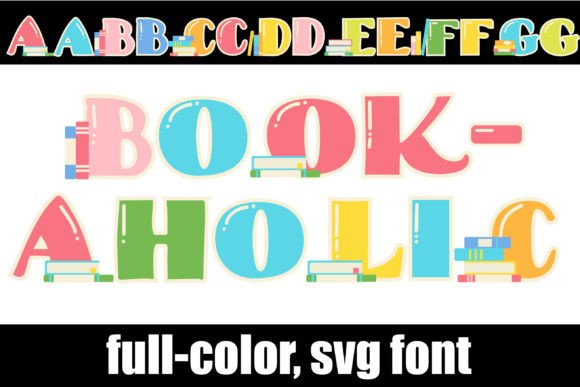
The moment you load Bookaholic into your design software, the mood shifts. It doesn’t scream for attention like a bold geometric sans serif font might, nor does it whisper with the fragility of some delicate script fonts. Instead, it speaks with a confident, inviting voice. The letterforms have a slightly rounded, organic feel that suggests accessibility and friendliness. It feels like the kind of font you would see on the cover of a bestselling contemporary novel or the label of an artisanal coffee brand.
Visually, Bookaholic exudes a modern yet cozy personality. It avoids the rigid structure of traditional serif fonts, opting instead for softer curves that guide the eye smoothly across the page. This makes it particularly effective for projects that aim to build trust and emotional connection with the audience. Whether you are designing for a boutique bakery or a lifestyle blog, this typeface naturally aligns with themes of comfort, creativity, and authenticity.
Performance in Real-World Applications
A font can look beautiful in isolation but fail miserably when applied to complex layouts. Here is how Bookaholic performs in specific design contexts:
Logo Design and Brand Identity
For logo design, scalability is key. Bookaholic maintains its character even when scaled down, which is a significant advantage. Its distinct letter shapes ensure that the logo remains recognizable whether it is printed on a business card or displayed on a mobile screen. For brand identity systems, it works exceptionally well as a primary display font. It pairs beautifully with clean, minimal elements, allowing the typography to serve as the focal point. However, because it has strong visual weight, it should be used sparingly in logos to avoid clutter.
Packaging Design and Product Labels
In the realm of packaging design, shelf appeal is everything. Bookaholic stands out on crowded shelves due to its unique texture and friendly demeanor. It is ideal for product labels, especially for items like candles, soaps, baked goods, or handmade crafts. The font’s slight whimsy adds a premium touch without feeling overly formal. When combined with high-quality materials and thoughtful layout, Bookaholic elevates the perceived value of the product.
Digital Products and Social Media Graphics
For digital sellers and content creators, efficiency matters. Bookaholic is excellent for creating design assets such as printable designs, Canva templates, and digital products. Its clear forms ensure that text remains readable on smaller screens, which is crucial for Instagram posts, Pinterest pins, and Facebook ads. It also works well for editorial design within blogs, where long-form reading requires a comfortable typographic rhythm. Unlike many display fonts that fatigue the eye, Bookaholic allows for longer blocks of text if used responsibly.
Merchandise and Cricut Projects
If you are involved in crafting or small business ownership, you likely use cutting machines like Cricut. Bookaholic translates well to vinyl cuts and sublimation prints. The consistent stroke widths and open counters (the empty space inside letters like 'o' or 'e') make it easy to cut cleanly. It looks stunning on t-shirts, tote bags, mugs, and stickers. Its versatility bridges the gap between professional graphic design and DIY aesthetics, making it a favorite among crafters.
Strategic Use: Where to Exercise Caution
While Bookaholic is impressive, no single font is a silver bullet. There are specific situations where you need to be careful with its application:
- Large Headlines: While it shines in headlines, using it exclusively for very large text can sometimes feel overwhelming. Balance it with negative space to let the letters breathe.
- Short Phrases: It excels in short phrases, quotes, and decorative accents. However, avoid using it for long paragraphs of body copy. Its stylistic nuances are best appreciated in doses.
- Supporting Text: For secondary information like dates, addresses, or fine print, consider pairing it with a neutral sans serif font. Let Bookaholic handle the emotion while the supporting font handles the data.
- Brand Marks: When integrating it into a brand mark, ensure the contrast between the font and other graphical elements is sufficient. Overlapping Bookaholic with busy patterns can reduce legibility.
Readability, Hierarchy, and Audience Trust
Typography is not just about style; it is about communication. Bookaholic positively impacts readability by reducing visual tension. The soft edges prevent the harshness often associated with strict geometric fonts, making the content feel more approachable. This directly influences audience trust and recognition. When a brand uses a font that feels human and relatable, customers are more likely to engage.
In terms of hierarchy, Bookaholic offers enough variation in weight and style to create clear distinctions between headings and subheadings. This helps guide the reader’s eye through the content logically. In web design and editorial design, maintaining a clear hierarchy is essential for user experience. Bookaholic supports this by providing a distinct visual anchor that doesn’t compete with imagery but complements it.
Practical Designer Notes
Before committing to Bookaholic for a major project, I recommend following these practical steps to ensure optimal results:
- Test in Black and White: Remove color from your design to focus purely on form. Does the font hold up? Is the spacing balanced? This reveals structural weaknesses that color might hide.
- Check Small-Size Readability: Zoom out to 50% or view the design on a mobile device. Ensure the details remain crisp and the text is still legible.
- Try It on Real Mockups: Don’t just work on a blank canvas. Place the text on a realistic mockup, such as a book cover or a storefront sign. Context changes perception.
- Compare Uppercase and Lowercase: Evaluate how the two cases interact. Do they share a consistent visual language? Bookaholic generally maintains harmony between cases, but it’s worth verifying for your specific layout.
- Review Spacing: Adjust kerning and tracking manually. Default settings are rarely perfect. Tighten spaces between certain letter pairs to improve flow.
- Font Pairing Experiments: Test Bookaholic alongside different styles. It pairs surprisingly well with a classic serif font for a literary vibe, a clean sans serif font for a modern look, and even a delicate script font for added elegance. Avoid pairing it with another heavy handwritten font, as this can create visual chaos.
- Confirm Commercial Licensing: Always verify the license before using any commercial font in client work or for sale. Understanding the terms protects your business and respects the type designer’s rights.
Final Verdict
Bookaholic is more than just a pretty face. It is a functional, expressive tool that can elevate a wide range of projects. From printable design to social media graphics, it brings a level of polish and personality that resonates with audiences. For designers seeking a premium font that delivers both aesthetic appeal and practical utility, Bookaholic is a strong contender. It may not replace your go-to sans serif for body text, but as a display font capable of setting the tone for your entire brand identity, it earns a permanent spot in my toolkit.