Pumpkin Paisley: A Color Font Review for Seasonal Campaigns
It is 4:00 PM on a Tuesday, and the creative team is scrambling. We are forty-eight hours away from launching our fall product line, and the current social media assets look… flat. They are functional, sure, but they lack that immediate visual hook needed to stop the scroll on Instagram or catch the eye in a crowded YouTube feed. I open my design software, not to search for new illustrations, but to dig into our font library. That is when I pull up Pumpkin Paisley.
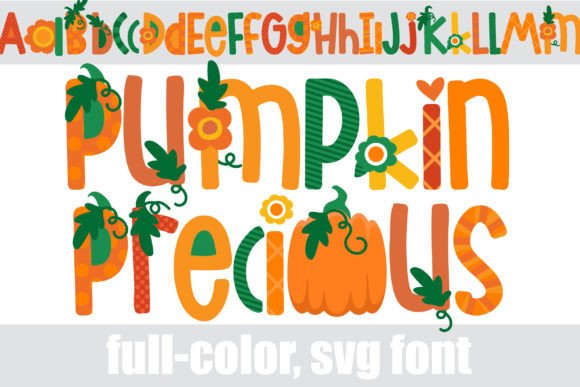
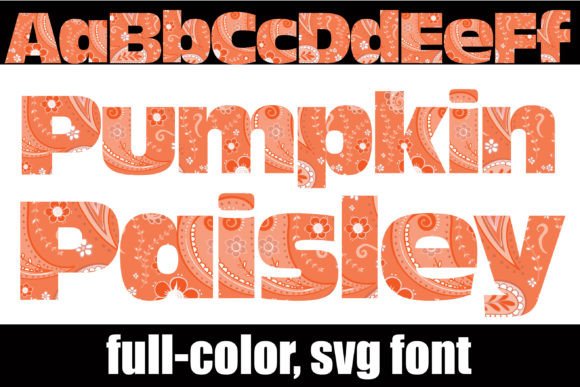
This isn’t just another decorative typeface; it is a strategic tool for seasonal marketing. As a full-color font, Pumpkin Paisley offers a fun sans serif base with a pumpkin-colored paisley pattern baked directly into the glyphs. For marketers and designers tired of manually layering textures or wrestling with complex vector paths, this font provides an instant upgrade to any campaign asset. Here is how it performs in real-world promotional workflows.
The Visual Personality of Pumpkin Paisley
At first glance, Pumpkin Paisley reads as playful, warm, and distinctly autumnal. The "sans serif" classification might suggest simplicity, but the paisley overlay adds significant texture and personality. It feels like a creative font that balances approachability with visual interest. The color palette—primarily shades of orange, rust, and cream—evokes feelings of harvest, comfort, and celebration without being overly literal.
In terms of communication style, the font speaks in a friendly, energetic tone. It is not shouting, but it is definitely raising its hand to get attention. This makes it ideal for brands looking to humanize their voice during seasonal events. Whether you are running a limited-time offer or celebrating a milestone, Pumpkin Paisley brings a sense of curated joy to your digital presence. It works best when used as a display font, where its unique character shapes can be appreciated rather than buried under dense paragraphs of text.
Testing in Real Campaign Scenarios
To truly understand the utility of Pumpkin Paisley, we need to move beyond static mockups and look at how it functions across different digital touchpoints. I tested this font across several common marketing channels to see how it held up against readability standards and aesthetic requirements.
Social Media Graphics and Instagram Posts
On platforms like Instagram, visual hierarchy is everything. When designing a carousel post for a product launch, using Pumpkin Paisley for the headline immediately establishes a thematic connection. Because it is a color font, the intricate paisley details remain crisp even at smaller sizes, provided you aren’t scaling it down too far. It excels in quote graphics, sale announcements, and event teasers. The alternating colors available through the system’s character map allow for dynamic emphasis, letting you highlight key words within a sentence without breaking the visual flow.
YouTube Thumbnails and Video Covers
For content creators, the thumbnail is the gatekeeper of click-through rates. Pumpkin Paisley’s bold structure ensures legibility even when compressed into a small mobile preview. The warm tones naturally draw the eye, contrasting well against both light and dark video backgrounds. However, caution is advised here: while the font is striking, it should be paired with high-contrast background elements. If your video backdrop is busy or similarly colored, the text may lose its impact. Use it for the main title or callout, but keep secondary information clean and simple.
Email Marketing and Web Banners
In email promotions, space is premium real estate. Pumpkin Paisley shines in header banners or subject line previews (where supported). Its festive nature can increase open rates for seasonal campaigns by signaling relevance instantly. On web design, particularly for landing pages promoting fall collections or holiday sales, the font serves as an excellent anchor for hero sections. It adds brand identity without requiring additional graphic assets, effectively reducing load times and simplifying the design process.
Readability and Strategic Usage
While Pumpkin Paisley is visually appealing, it is not a one-size-fits-all solution. Understanding its limitations is crucial for maintaining professional quality in your campaigns.
- Short Headlines vs. Long Copy: This typeface is designed for short bursts of text. It is perfect for logo design concepts, campaign labels, and decorative titles. Do not use it for body copy, legal disclaimers, or long-form blog posts. The intricate patterns will become illegible and cause eye strain for readers.
- Mobile Optimization: Always preview your designs on mobile devices. While the font holds up well on desktop screens, small previews on smartphones can blur the fine details of the paisley pattern. Test your typography at actual viewing sizes to ensure clarity.
- Brand Consistency: Pumpkin Paisley has a strong personality. If your brand identity is strictly corporate, minimalist, or formal, this font may clash with your existing visual language. It is best suited for lifestyle, retail, food, beverage, and creative industries.
Font Pairing and Design Systems
To maximize the effectiveness of Pumpkin Paisley, pair it strategically. Since it is already visually complex, it needs support from more subdued typography. A clean sans serif font works beautifully for supporting text, providing a neutral counterpoint that allows the headline to stand out. Alternatively, pairing it with a modern script font can enhance the handcrafted feel for invitations or personal brand communications.
For a cohesive brand identity, consider using Pumpkin Paisley as your primary display font and selecting a reliable serif font or geometric sans serif for all other communication needs. This creates a clear distinction between attention-grabbing headlines and informational content, improving overall message clarity and user experience.
Technical Considerations for Marketers
Before integrating Pumpkin Paisley into your commercial projects, there are practical steps to ensure smooth implementation. First, verify the file formats included. As a color font, it likely requires OpenType-SVG or COLR/CPAL support, which is standard in most modern design tools like Adobe Creative Cloud and Canva. Ensure your team knows how to access the alternate cases and additional colors through the system’s character map, as these features unlock the font’s full potential.
Additionally, check the licensing agreement carefully. Commercial fonts often have specific restrictions regarding usage in merchandise, client campaigns, and digital products. Confirm that your license covers the intended scope of use, whether you are creating internal marketing materials, client deliverables, or public-facing advertisements. Finally, test multilingual support if your campaigns target diverse audiences, as some color fonts may not include characters for all languages.
Pumpkin Paisley is more than just a pretty typeface; it is a versatile asset that can elevate your seasonal marketing efforts. By using it strategically within a well-planned design system, you can create engaging, cohesive, and visually striking content that resonates with your audience. In a digital landscape saturated with generic templates, adding a touch of curated creativity like Pumpkin Paisley can make your brand stand out in the right way.