Paperclipped Primary Typeface: A Maker’s Guide to Playful Branding
I was sitting at my cutting mat, surrounded by a scattered constellation of vinyl scraps and half-printed sticker sheets, trying to find the perfect typography for a new line of handmade soy candles. The scent was "Midnight Lavender," and I wanted the label to feel grounded yet playful—something that didn’t scream "corporate" but still looked professional enough to sit on a boutique shelf. That’s when I opened my font library and pulled up Paperclipped Primary. It wasn’t just another sans serif; it had this quirky, tactile personality that seemed to whisper, "I’m handmade with care." Within minutes, I had mockups ready for Instagram, and the design finally felt like it had a soul.
If you are a crafter, Etsy seller, or printable creator looking to elevate your shop’s visual identity, understanding how a unique typeface can transform your products is essential. This article explores how Paperclipped Primary, a vibrant color font with blocky sans serif roots, can bring charm and consistency to your handmade goods, digital downloads, and seasonal collections.
The Visual Personality of Paperclipped Primary
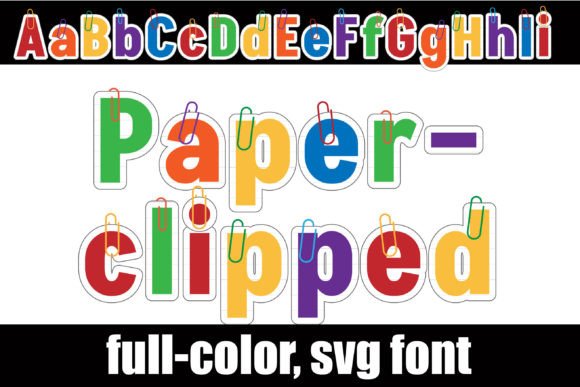
At first glance, Paperclipped Primary presents itself as a sturdy, blocky sans serif typeface. However, its true magic lies in the details. Throughout each letterform, subtle paperclip motifs are woven into the design, adding a layer of whimsy and craft-centric charm. This isn’t just black text on a white background; it is a full-color font that leverages advanced OpenType features to deliver rich, multi-hued characters directly from your system’s character map.
For makers, this means you don’t need to manually trace every curve or assemble complex vector shapes to get a colorful, eye-catching result. The alt case options allow you to swap out standard letters for decorative variants, giving your designs an instant upgrade in perceived value. Whether you are designing a wedding welcome board or a simple product tag, the font’s mood is approachable, cheerful, and distinctly modern. It bridges the gap between rigid geometric fonts and overly ornate scripts, making it versatile for a wide range of creative projects.
Bringing the Font to Life on Physical Products
One of the most satisfying aspects of being a handmade seller is seeing your digital designs materialize into physical objects. I recently used Paperclipped Primary for a set of boutique packaging tags attached to linen tote bags. Because the font supports full-color rendering, I was able to print these tags using high-quality cardstock with vibrant ink, ensuring that the reds, blues, and yellows in the paperclip accents popped against the neutral fabric.
This level of detail significantly impacts customer perception. When a buyer picks up a product with thoughtfully designed, colorful typography, they subconsciously associate that effort with quality. Here is how this typeface shines across various physical mediums:
- Candle and Soap Labels: The blocky structure provides excellent legibility for ingredient lists and warnings, while the colorful accents draw the eye to the brand name on crowded shelves.
- Greeting Cards and Invitations: For birthdays, baby showers, or casual weddings, the font adds a festive touch without feeling childish. It works beautifully for short phrases like "Happy Birthday" or "You’re Invited."
- Stickers and Decals: When testing stickers on my Cricut, I found that the solid fills of the color font cut cleanly. The lack of thin, fragile lines means less risk of weeding errors, which is crucial for small batch production.
- Apparel and Mugs: While best suited for shorter text due to its display nature, Paperclipped Primary makes bold statements on t-shirts, aprons, and ceramic mugs. It pairs well with simple illustrations to create cohesive gift sets.
Optimizing for Digital Downloads and Printables
Beyond physical goods, many creators sell digital assets such as planner pages, wall art, and SVG files. Using a premium font like Paperclipped Primary in your digital templates can be a major selling point. Buyers love ready-to-use designs that look polished out of the box.
When creating printable wall art, for instance, the alt cases of this font allow you to create dynamic compositions. Imagine a nursery print where each letter of "LOVE" features a different pastel hue from the font’s built-in palette. This reduces the need for buyers to source multiple colors or edit the file extensively before printing. However, it is important to remember that color fonts behave differently depending on the software used. Always provide clear instructions for your customers on how to install and activate color fonts in programs like Adobe Illustrator, Photoshop, or even Canva (if supported).
For listing images on platforms like Etsy, using mockups that showcase the font’s versatility can boost click-through rates. Show the font on a business card, then on a mug, then on a website header. This demonstrates to potential buyers that the design asset is flexible and valuable for their own branding needs.
Readability and Design Best Practices
While Paperclipped Primary is undeniably charming, it is primarily a display font. This means it is designed for impact rather than lengthy reading. Avoid using it for body text on packaging or long paragraphs in digital guides. Instead, reserve it for headlines, titles, names, and short slogans. If you need to include detailed information, pair it with a clean, neutral sans serif font for the fine print. This contrast not only aids readability but also creates a balanced hierarchy that guides the customer’s eye naturally through your design.
When scaling the font down for small stickers or tiny product tags, test the output carefully. The intricate paperclip details might become muddy if printed too small or cut with a blade that has dulled over time. Always do a proof print before committing to a large run. Additionally, consider the background color. Since the font relies on color contrast, ensure your background doesn’t clash with the font’s inherent hues. A dark background might require adjusting the opacity or selecting lighter alternate characters to maintain visibility.
Font Pairing and Creative Versatility
To maximize the aesthetic appeal of your designs, pairing Paperclipped Primary with complementary typefaces is key. Because it is already visually busy with its integrated graphics, it pairs exceptionally well with minimalist fonts. A simple, thin sans serif font can ground the design, providing a calm counterpoint to the playful primary colors. Alternatively, a delicate script font can add elegance when paired with the blocky structure, perfect for wedding stationery or romantic branding.
Experimenting with these combinations allows you to create a unique brand identity that stands out in a saturated market. Whether you are designing seasonal holiday tags for Christmas or Easter, or creating everyday essentials like planner covers, the adaptability of this font ensures your work remains fresh and engaging.
Licensing and Commercial Use
Before incorporating Paperclipped Primary into any commercial product, whether it is a physical item sold in your shop or a digital template downloaded by others, always review the specific licensing agreement provided by the type designer. Most premium fonts come with clear guidelines regarding commercial use, allowing you to sell products that feature the font while protecting the intellectual property of the creator. Understanding these terms ensures peace of mind and ethical business practices, fostering trust within the creative community.
Incorporating Paperclipped Primary into your workflow is more than just choosing a pretty font; it is about embracing a style that celebrates the joy of making. From the initial sketch to the final packaged product, this typeface offers a delightful way to communicate creativity, care, and attention to detail. So, next time you are staring at a blank canvas, let the colors and shapes of this font inspire your next big project.