Halloween Chalk: A Playful Typeface for Seasonal Branding
I opened a blank Figma file at 2 PM on a Tuesday. The client brief was simple but specific: they wanted a visual identity for a pop-up dessert shop that only operated during the autumn months. They didn’t want spooky horror; they wanted cozy, nostalgic, and slightly mischievous. That is exactly when I decided to pull Halloween Chalk from my font library. It wasn’t just another decorative typeface—it felt like the missing piece of a puzzle I hadn’t even fully assembled yet.
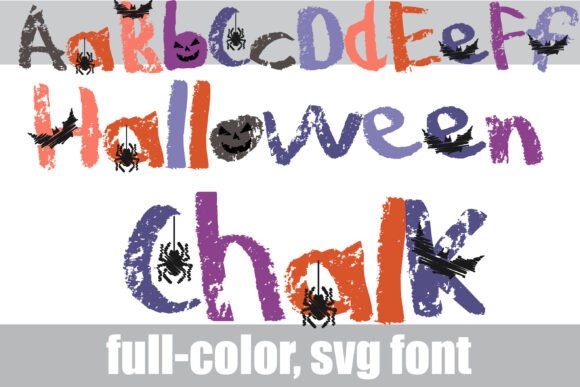
If you are a graphic designer tired of generic script fonts or overly serious serif pairings, this creative font might be your new secret weapon. It is a full-color font that captures a chalk-like, youthful energy while leaning into a distinct Halloween color palette. But more importantly, it works in real-world branding scenarios where personality matters more than perfection.
First Impressions: Why This Font Stands Out
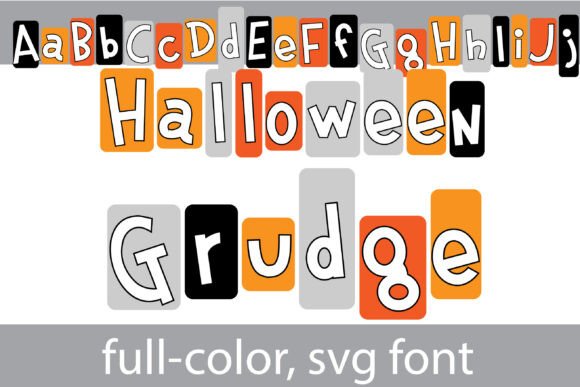
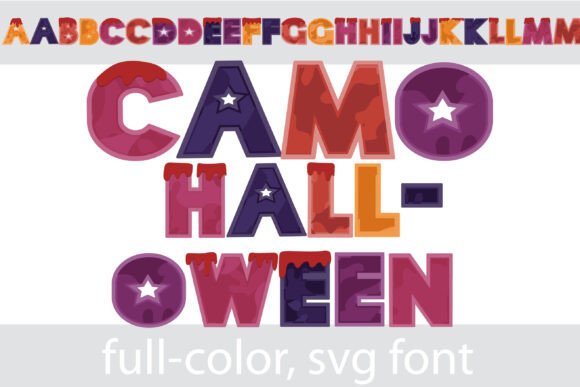
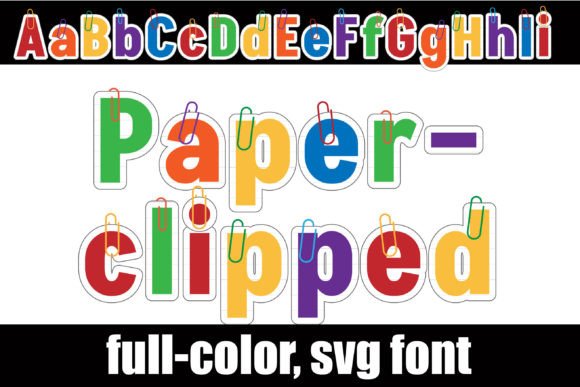
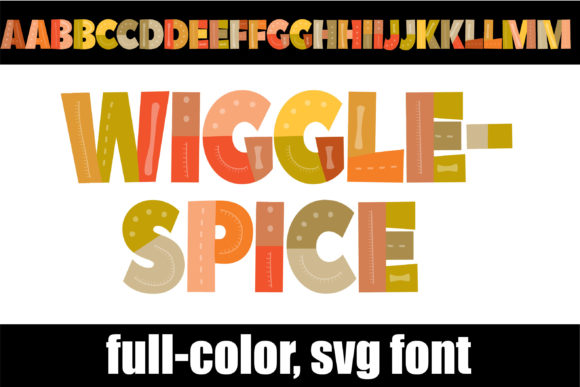
When I first dragged the font file into my design software, I expected standard glyphs. Instead, I found a typeface with character—literally and figuratively. The letters have a textured, hand-drawn quality that mimics chalk on a sidewalk or a blackboard, which instantly evokes feelings of creativity, schoolyards, and seasonal festivals.
What makes Halloween Chalk particularly useful for modern designers is its versatility as a display font. It is not designed for long paragraphs of body copy. Trying to read a novel in this typeface would be an exercise in frustration. However, for headlines, logos, and short-form text, it delivers immediate visual impact. The "creepies" mentioned in the product description add just enough edge to keep the design from feeling too cute or childish. It strikes a balance between playful and polished.
The fact that it is a Color Font means you get more than just shape—you get tone. The built-in color palette allows you to apply thematic hues directly through your system’s character map or font settings. This saves hours of manual coloring and ensures consistency across different design assets.
Testing the Font in a Real Branding Project
Back to my dessert shop client. We were brainstorming names, and I typed out "Sweet Spook" using Halloween Chalk. The result was instant. The font carried the weight of the concept without needing extra graphics. The texture of the letters suggested sugar dust and autumn leaves simultaneously.
We moved quickly to logo design. Because this is a premium font with high-quality rendering, the vector shapes held up well even when scaled down. I tested it on a digital mockup for a storefront sign. The chalky texture gave the impression of a welcoming, handmade establishment rather than a corporate chain. It felt local, authentic, and inviting.
One of the most impressive features is the alt version accessible through the character map. These alternates allow you to break up repetitive letterforms in longer headlines. For example, if you have multiple 'e's in a word, switching one to an alternate glyph adds organic variation. This small detail elevates the design from "typed text" to "custom typography," which is crucial for professional brand identity work.
Where Halloween Chalk Shines
After testing the font across various mediums, here is where I found it most effective:
- Packaging Design: Imagine a jar of pumpkin spice mix or a bag of artisanal cookies. Using Halloween Chalk on a label sticker creates an immediate shelf appeal. The color capabilities allow the text to match the packaging material perfectly, whether it’s kraft paper, matte black, or vibrant orange.
- Social Media Graphics: For Instagram posts or Pinterest pins, this font grabs attention in a crowded feed. It works beautifully as a headline overlay on photos of products or behind-the-scenes content. Its youthful vibe resonates well with audiences looking for fun, shareable content.
- Event Posters and Flyers: Whether it’s a Halloween party, a fall festival, or a seasonal market stall, this font communicates the theme instantly. You don’t need to add jack-o'-lantern icons or bats—the typography itself tells the story.
- Merchandise: I mocked up a design for tote bags and enamel pins. The font’s bold strokes and textured edges translate well to print and embroidery. It looks great on dark fabrics where the lighter chalk tones pop against the background.
Font Pairing Strategies
A common mistake designers make is pairing two decorative fonts together. With Halloween Chalk, the rule is simple: let it be the star. Since it has strong personality, it needs a quiet partner to provide structure and readability.
I recommend pairing it with a clean sans serif font for secondary information. Use the sans serif for prices, addresses, ingredient lists, or website navigation. This contrast creates a clear visual hierarchy. The eye is drawn to the playful headline first, then moves naturally to the functional details.
For a more editorial or sophisticated look, try pairing it with a classic serif font. This combination can work surprisingly well for high-end boutique brands or luxury skincare lines that want to tap into seasonal trends without losing their elegance. The juxtaposition of the rough, chalky texture against smooth, refined serifs creates a dynamic tension that feels intentional and curated.
Avoid pairing it with other handwritten or brush scripts. The competition for visual dominance will result in a cluttered, hard-to-read layout. Keep the supporting typography minimal and neutral.
Practical Tips for Implementation
Before committing to Halloween Chalk for a full brand system, do some rigorous testing. Typography is subjective, and what looks good on a screen might behave differently in print. Check the kerning and spacing, especially when using the alternate characters. Sometimes, the visual weight of a colored glyph can throw off the alignment of a line.
Also, consider the file formats included with the font. Most modern creative fonts come in OTF, TTF, and WOFF/WOFF2 versions. Ensure you have the web-safe formats if you plan to use the font for web design headers. This guarantees that your brand identity remains consistent across digital touchpoints.
Remember to check the commercial license. As a commercial font, it allows you to use it in client projects, but always review the terms regarding the number of end products or impressions. For most small businesses and freelance projects, the standard license is sufficient, but it is worth verifying to avoid legal issues later.
Final Thoughts on Versatility
Halloween Chalk is more than just a seasonal gimmick. While it is perfect for October-themed campaigns, its underlying aesthetic—handmade, textured, and approachable—can be adapted for year-round use if styled correctly. By desaturating the colors or using it sparingly as an accent font, you can integrate it into broader brand identities.
For designers looking to add warmth and personality to their projects, this typeface offers a unique solution. It bridges the gap between traditional print textures and modern digital flexibility. Whether you are designing a logo for a local café, creating social media graphics for a holiday sale, or putting together packaging for a handmade product, Halloween Chalk provides the character needed to make your work stand out.
In a market saturated with uniform templates, using a distinctive color font like this can be the difference between a forgettable design and a memorable brand experience. Give it a test drive in your next project. You might find, like I did, that it solves problems you didn’t know you had.