September Story: A Color Font That Elevates Digital Branding
I was staring at a blank hero section on a new landing page for a seasonal wellness retreat. The layout was clean, the imagery was soft, but the typography felt cold. It lacked that specific autumnal warmth I wanted to convey without resorting to cliché orange and brown stock photos. That is when I decided to test September Story. As a web designer who values both aesthetics and performance, I rarely let decorative fonts dictate my layout, but this Color Font offered something different: personality that lives within the characters themselves.
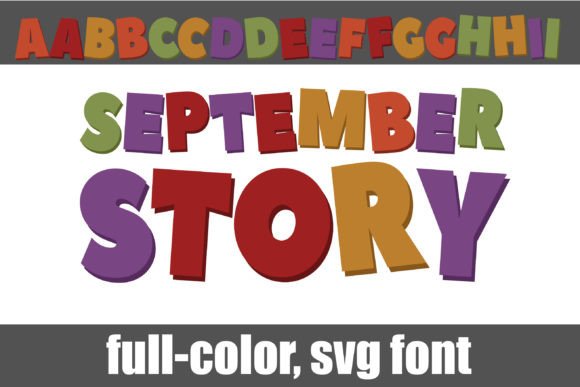
The premise of September Story is simple yet effective. It is a fun sans serif typeface with a subtle toggle in its letterforms, set against an autumn-inspired color palette. But the real magic happens when you look closer at how it behaves in a digital environment. Unlike traditional black-and-white fonts that rely entirely on background contrast, this font brings its own visual texture. For a project aiming to feel inviting, polished, and distinctly "fall," it was an immediate contender.
First Impressions: Testing Readability and Hierarchy
The first thing any UI designer checks is legibility. Can users actually read this? When I dropped September Story into a large hero headline, the impact was instant. The slight toggles in the letters give it a hand-drawn, approachable feel, which softens the rigid grid of modern web design. However, because it is a display-oriented font, I knew it had limits. It is not meant for body copy. Trying to read paragraphs in a colorful, decorative font causes eye strain and slows down scanning behavior.
Instead, I used it strategically. I placed the main headline in September Story, letting the colors do the heavy lifting for brand identity. Then, I paired it with a clean, neutral sans serif for the subheadings and body text. This created a clear visual hierarchy. The user’s eye is drawn to the colorful, textured headline first, establishing the mood, and then naturally flows down to the readable supporting text. This balance is crucial for keeping bounce rates low and engagement high.
Color Fonts and System Integration
One of the standout features of September Story is its status as a Color Font. These are not just standard TrueType or OpenType files; they contain embedded color data. This means the variations in hue and tone are part of the glyph itself. For web designers, this opens up exciting possibilities for dynamic branding without needing complex CSS gradients or image overlays.
However, working with color fonts requires attention to detail. The product description mentions an alt case with additional colors accessible through your system’s character map. In practice, this means you have more control over the visual rhythm of your headlines. You can swap out certain letters for their alternate colored versions to create patterns or emphasize specific words. Just remember to check browser compatibility. While support for color fonts has improved significantly, ensuring your fallback styles are robust is essential for a consistent experience across all devices.
Practical Applications for Digital Products
So, where does September Story shine in a web project? Based on my testing, it excels in areas where you want to inject emotion quickly:
- Hero Sections: Use it for short, punchy headlines. The autumn palette immediately sets a cozy, reflective tone perfect for lifestyle brands, coaching websites, or creative portfolios.
- Landing Page Headers: For course sales pages or digital product launches, the font adds a premium, curated feel that distinguishes your offer from generic templates.
- Call-to-Action Areas: While I wouldn’t put long sentences in it, using September Story for button labels like "Join Now" or "Get Started" can make those elements pop visually, drawing clicks through aesthetic appeal rather than just color contrast.
- Social Media Graphics: If you are designing banners for Instagram or Pinterest to drive traffic to your site, this font ensures your brand assets look cohesive and professional before the user even lands on your webpage.
Font Pairing Strategies
A common mistake designers make is letting a decorative font fight for attention with other elements. To keep the design polished, pairing is key. September Story’s playful yet structured nature pairs beautifully with minimalist sans serifs. Think of fonts like Inter, Roboto, or Lato for body text. These neutral companions allow September Story to be the star without overwhelming the reader.
For a more editorial look, such as a blog redesign or a high-end boutique online store, you might consider pairing it with a refined serif font. The contrast between the modern, colorful sans serif and a classic serif creates a sophisticated tension that feels intentional and expensive. This combination works well for storytelling content, where you want to guide the reader through a narrative with both style and substance.
Technical Considerations for Web Designers
Before integrating September Story into a live project, there are a few practical steps to ensure smooth deployment. First, verify the file formats. Most modern web projects benefit from WOFF2 formats for optimal loading speeds. Second, check the multilingual support. If your audience spans different regions, ensure the font includes the necessary accents and special characters required for your language.
Also, consider the commercial licensing. If you are using this for client work, an online store, or a SaaS platform, make sure your license covers web embedding and digital distribution. Using a font correctly protects your brand from legal issues and ensures you are supporting the type designer appropriately.
Mobile Responsiveness and Performance
Finally, always preview your design on mobile devices. Color fonts can sometimes render differently depending on the operating system and browser. On smaller screens, the detailed toggles and color variations in September Story might become less distinct. Test your headlines at various breakpoints to ensure they remain legible and impactful. If the details get lost on a phone screen, you may need to adjust the font size or reduce the complexity of the text to maintain clarity.
In conclusion, September Story is more than just a pretty typeface; it is a tool for enhancing digital storytelling. By understanding its strengths as a display font and respecting its limitations in body text, you can create web experiences that feel warm, professional, and deeply engaging. It transforms a standard layout into a branded journey, proving that typography is not just about reading—it is about feeling.